What happened
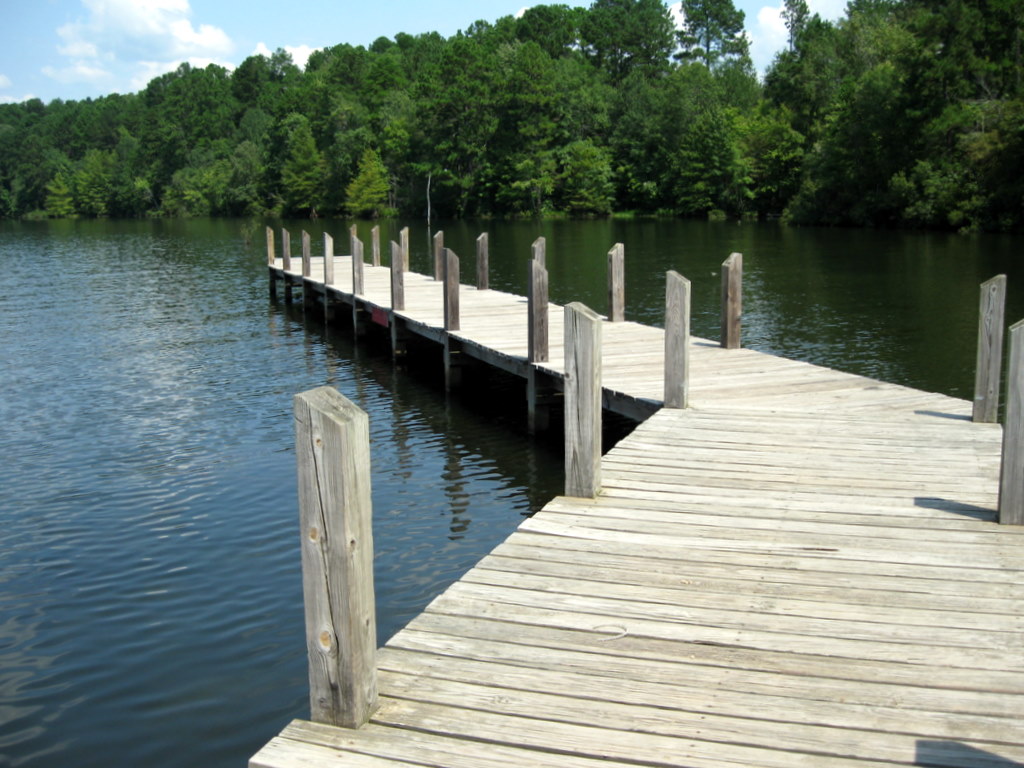
Multiple national outlets report that an 8-year-old girl from northern Louisiana has died after contracting a rare brain infection caused by Naegleria fowleri, an amoeba sometimes called a “brain‑eating” organism in news coverage. Reporting by The New York Times, CNN, CBS and other outlets says the family and local reports link the illness to a recent swim at Lake Claiborne near Ruston, Louisiana.
The accounts circulating in national media describe a rapid and devastating course of illness. Publications covering the story say the infection is suspected to have been acquired while the child was in warm freshwater and that family posts and local statements conveyed the loss and community grief. Several public figures in Louisiana were reported to have offered condolences, according to the coverage compiled by Freedom News Staff.
How Naegleria fowleri infections occur and what makes them rare but lethal
Reporting assembled by major outlets reiterates established descriptions of Naegleria fowleri included in their coverage: the microscopic amoeba lives in warm freshwater and can cause a severe brain infection when water containing the organism enters the nose. The condition is described across outlets as rare and, in most reported cases, fatal.
News organizations covering the case note that the organism is not contracted by drinking contaminated water; instead, infection requires water to be forced up the nose, for example during swimming, diving, or other recreational activities that propel warm freshwater into the nasal passages. Because the organism thrives in warm conditions, infections have historically been linked to lakes, rivers and poorly maintained warm water systems during hot months. Several outlets emphasized that despite the dramatic nature of such infections, they remain extremely uncommon compared with routine exposures to freshwater.
What is known locally and what remains unconfirmed
The available reporting ties the suspected exposure to a swim in Lake Claiborne but does not supply primary public‑health documents in the record provided to Freedom News. At the time the stories were filed, national outlets relied on family statements, local reporting and information from community officials rather than a directly linked laboratory report, coroner ruling, or a formal case notification from the Louisiana Department of Health or the federal Centers for Disease Control and Prevention.
None of the summaries supplied for this article included a published laboratory confirmation, an official medical‑examiner cause‑of‑death ruling made public, a hospital statement containing diagnostic details, or an online CDC case notification. Similarly, the record does not include any posted test results for Lake Claiborne water or an advisory from local or state public‑health authorities specifically confirming the lake as the exposure source. Those documents would be the definitive primary records for attributing the infection to a particular location.
Practical takeaways and commonly cited prevention guidance
News coverage of this case reiterated prevention guidance commonly cited by health authorities in past reporting on Naegleria fowleri: avoid letting warm freshwater enter the nose while swimming or diving; use nose clips or hold the nose shut; avoid disturbing sediment in shallow, warm areas; and be cautious about submerging the head where water is warm and untreated. Because the supplied source summaries did not include a direct link to a current CDC advisory or a local public‑health notice, readers should treat this as commonly reported guidance rather than a newly issued directive specific to Lake Claiborne.
Health reporters across outlets emphasize perspective: while infections are dramatic and often fatal, they are very uncommon. That balance — explaining the seriousness of an infection while also noting its rarity — is a recurring theme in the national coverage of this incident.
What to watch next
Key missing pieces remain important for readers and public safety professionals to watch for: (1) whether the Louisiana Department of Health or local health officials issue a formal case confirmation or an advisory on Lake Claiborne; (2) whether a medical‑examiner or hospital releases a cause‑of‑death determination tied explicitly to Naegleria fowleri; (3) whether the CDC posts a case notification or provides guidance tied to this specific incident; and (4) whether any environmental testing of lake water is published publicly.
Freedom News Staff will update coverage if state or federal agencies publish laboratory confirmations, water‑testing results, official health advisories, or other primary records that clarify the exposure and timeline. For now, responsibly framed national reporting consistently links the suspected infection to a warm‑water swim and underscores that formal agency confirmations and primary documents have not been included in the summaries reviewed for this article.
Sources reviewed
- The New York Times: Louisiana Girl, 8, Dies After Contracting Rare Brain-Eating Amoeba
- KEYE: 8-year-old girl dies from rare infection after contracting brain-eating amoeba
- USA Today: 8-year-old girl dies from brain-eating amoeba day after her birthday
- The Guardian: Eight-year-old dies after contracting rare brain-eating amoeba in Louisiana
- Yahoo: 8-Year-Old Louisiana Girl Dies From Rare ‘Brain-Eating’ Amoeba After Swimming in Lake
- CBS News: Girl, 8, dies from brain-eating amoeba infection in Louisiana, family says
- CNN: 8-year-old dies from rare brain-eating amoeba likely contracted while swimming in Louisiana lake
- Fox News: Louisiana girl, 8, dies after contracting suspected brain-eating amoeba linked to lake swim