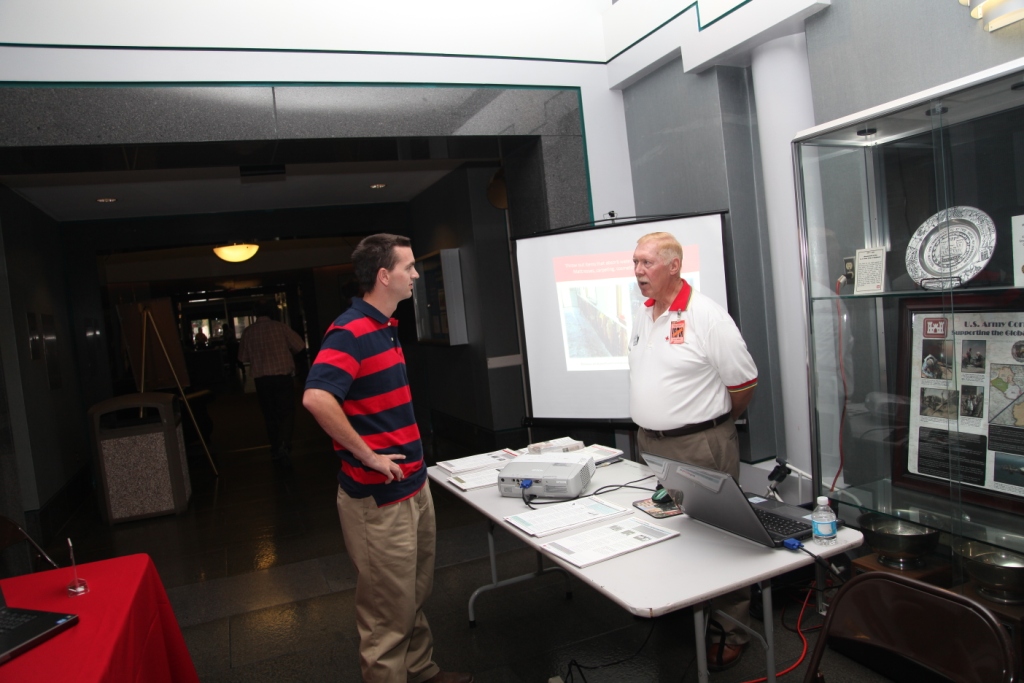
A new normal for readiness
Bloomberg reported a trend in which people and communities are treating extreme weather and other climate-driven disruptions as recurring events that require routine, practiced preparedness rather than rare, exceptional responses. The piece frames readiness as a social habit that goes beyond one-off responses to disasters.
Schools, young people and civic preparation
Writing in a Teachers College, Columbia University outlet, education researchers argue that preparing young people for a future that ‘‘won’t go as planned’’ is an explicit part of modern schooling and civic life. That work frames preparedness as a skill set — problem-solving under uncertainty, adaptive planning and civic participation — that schools can and should help develop.
Separately, a Simon Fraser University profile of an organizer working on intergenerational civic engagement emphasizes the role of community networks and hope in translating anxiety about climate impacts into constructive local action. Together these items suggest that readiness is not just individual kit-building but also social preparation that includes parents, teachers, local officials and community groups.
Why communication matters
Times Higher Education reported on lessons from climate scientists about research communication, underscoring that what gets said and how it is said changes whether people take practical steps. Clear, consistent messaging from trusted sources helps communities translate broad warnings into specific steps they can use in their neighborhoods and homes.
That reporting highlights a practical tension: scientific and institutional actors often have different incentives and modes of expression than ordinary households. Translating uncertainty into actionable language — without overstating certainty — is central to building day-to-day readiness.
Practical takeaways for households and local leaders
Taken together, the reporting and academic commentary suggest several practical priorities for households and local institutions. First, treat preparedness as practice: discuss a simple plan with household members, run short drills and revisit the plan seasonally. Practice reduces stress and makes decisions easier when time is short.
Second, build preparedness into community routines rather than keeping it as an exceptional task. Schools, religious institutions and neighborhood groups can use regular meetings or classes to review local alert systems, evacuation routes, temporary shelter options and mutual-aid arrangements. Making preparedness a part of everyday civic life increases the likelihood that plans will be remembered and used.
Third, focus on communication. When local authorities, schools or community organizations convey readiness steps, they should aim for clear, repetition-friendly messages tied to concrete actions people can perform. Academic and newsroom reporting reviewed by Freedom News highlights that clarity and repetition increase uptake more than technical detail alone.
Fourth, involve young people as active participants. Education researchers recommend integrating problem-solving and adaptive skills into curricula so students learn to think through disruptions and contribute constructively during events. Youth involvement also strengthens intergenerational networks that communities rely on in crises.
Finally, participation in local civic processes matters. Commentary sampled for this piece argues that school boards and other local bodies influence how institutions prepare and respond; voting and civic engagement at that level can shape practical outcomes such as school-based drills, local communication strategies and community-coordination plans.
Limits of the available reporting and what remains uncertain
The sources reviewed for this article — a Bloomberg feature and several academic and commentary pieces — document the shift toward routine readiness and offer conceptual guidance on education, communication and civic engagement. They do not, in the material provided to Freedom News, include comprehensive datasets, step-by-step official evacuation plans, or explicit municipal policy texts that would let us verify specific preparedness prescriptions for every community.
Because the underlying Bloomberg article and the academic pieces discussed general trends and lessons rather than supplying granular emergency-management checklists, readers should consult local emergency management agencies, public-health departments and municipal websites for authoritative instructions tailored to their area, including alert-signup procedures and location-specific sheltering guidance.
What to watch next
Watch for local governments and school districts to make preparedness a recurring budget and policy item — not just an occasional discretionary program. Reporting reviewed here suggests that when readiness is institutionalized through routine education, communication and civic engagement, communities are better placed to respond when an extreme event occurs.
Freedom News will follow how municipalities, school systems and emergency-management agencies translate this trend into concrete programs, and we will review primary documents when those policies and plans are published.
Sources reviewed
- Bloomberg.com: Climate Change Is Teaching Us to Be Ready to Run
- Columbia University: Research & Impact: Preparing Young People for a Future Society That Won’t Go as Planned - Teachers College
- Times Higher Education: What climate scientists teach us about research communication | THE Campus Learn, Share, Connect
- EdSource: COMMENTARY: Don’t skip the school board elections; they matter more than you think
- Britannica: Robert F. Kennedy, Jr. (RFK Jr.) | Policies, Family, Campaign, & Health and Human Services
- Simon Fraser University: Tara Mahoney on inter-generational civic engagement, climate change, and importance of hope