What we know so far
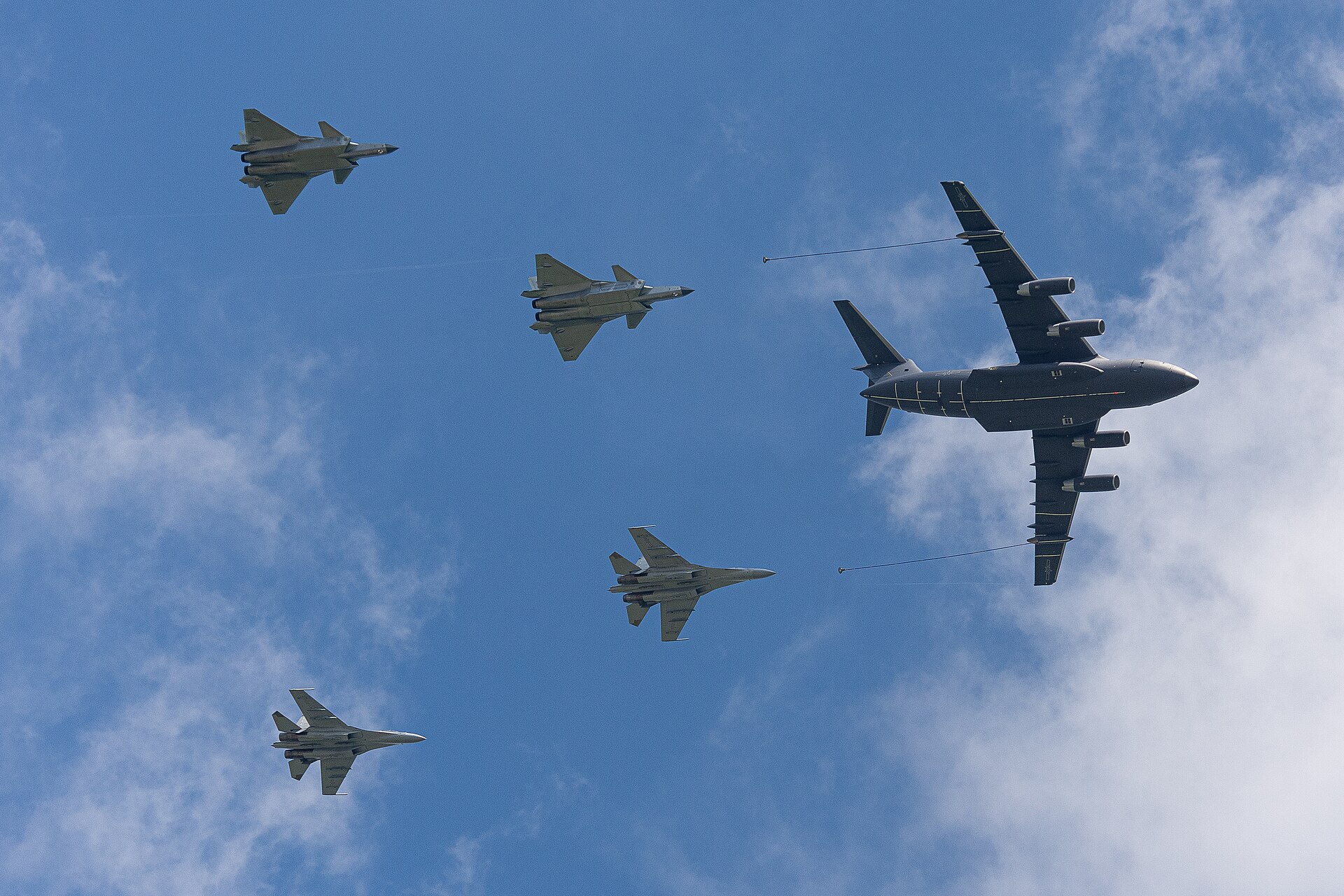
Multiple defense and regional outlets report that Chinese J-16 fighter aircraft have arrived in Egypt in connection with planned 2026 military drills. Military Watch Magazine framed the deployment as the first time top-tier Chinese fighters of this type have been sent to Egypt, and Defence Security Asia similarly described the arrival as evidence that Beijing is expanding its combat reach.
The coverage identifies the J-16s — a modern, multi-role Chinese combat aircraft — as a visible air component of the drills. Beyond the J-16 reporting, the available summaries do not supply an official joint announcement from either the Egyptian or Chinese defense ministries, nor do they provide a public schedule, precise drill locations, or a full list of participating units and other assets (naval, ground or additional air platforms).
Why the J-16 deployment matters operationally
Analysts cited in the reporting view the forward deployment of J-16s as more than symbolic because it demonstrates Chinese capacity to move relatively sophisticated combat aircraft beyond East Asia and sustain them for overseas exercises. Military Watch emphasized the capabilities of the J-16 as a 'top-tier' fighter in China’s inventory; Defence Security Asia framed the arrival as an expansion of Beijing’s combat reach in the eastern Mediterranean/North Africa environment.
In practical terms, a deployed fighter contingent requires logistics: air-to-air refueling or access to nearer bases, maintenance capability, secure basing, and command-and-control arrangements. Those logistics affect operational timelines, training envelopes, and rules-of-engagement planning for other regional militaries and outside powers that monitor the region. The sources reviewed stop short of documenting Chinese basing rights or a sustained presence beyond the duration of the exercises.
How analysts tie the drills to U.S. and Israeli concerns
A Modern Diplomacy analysis reviewed by Freedom News framed the Egypt–China drills as a development that could complicate U.S. and Israeli security calculations. That piece argued the exercises raise questions about surveillance priorities, contingency planning, and the diplomatic signaling of deeper military ties between Beijing and an influential Arab state.
Importantly, the same line of reporting and regional analysis emphasizes limits and nuance. The Arab Center Washington DC commentary included in the review places the Egypt–China cooperation inside a broader regional trend of diversification: many Middle East states are acquiring capabilities and partners beyond traditional Western suppliers without necessarily replacing their long-standing security relationships. In short, analysts caution that participation in drills and arms cooperation do not automatically equal alliance or substitution of security partners.
What is not public yet — and why it matters
There remain several concrete gaps in the public record as reflected in the reporting. None of the reviewed summaries include an official joint statement from Egypt’s or China’s defense ministry listing drill dates, the full roster of participating units or assets beyond the J-16s, invited observers, or the stated operational objectives in formal language. Those are the details that would let outside analysts move from plausible implications to firmer conclusions about intent and posture.
Absent those documents, reasonable inferences can still be drawn: forward deployment of advanced fighters changes regional air-situation awareness and creates new contingencies for coalition planning. But whether the deployment is a one-off, a recurring pattern of cooperation, or a step toward basing or logistics agreements depends on records and statements that have not been published in the sources reviewed.
Possible responses and what to watch next
Based on the assessments in the reviewed reporting, likely near-term responses from Washington and Tel Aviv would focus on intelligence collection, diplomatic inquiry, and adjustments to training and contingency plans rather than immediate military confrontation. Analysts emphasize that regional governments frequently pursue diversification of partners while retaining ties with the United States; the Arab Center piece explicitly frames such moves as diversification without substitution.
Readers should watch for specific, verifiable signals that would change the strategic picture: an official Egyptian or Chinese defense ministry statement describing the drills and their objectives; published lists of participating units or hardware beyond the J-16; announcements of long-term basing, logistics or maintenance agreements; and formal responses or consultations reported by the U.S. Department of Defense, the Israeli Ministry of Defense, or other regional capitals.
Bottom line
The arrival of J-16 fighters in Egypt ahead of 2026 exercises, as reported by multiple defense outlets, is a notable operational step for Beijing and a legitimate subject of interest for U.S. and Israeli planners. At the same time, the available public reporting does not yet show formal agreements or a strategic break by Egypt from existing partnerships. The development merits close, evidence-based monitoring: incremental posture changes can have outsized consequences, but claims about alliance shifts should be anchored to official documents or repeated, independently verifiable actions.
Sources reviewed
- Modern Diplomacy: Egypt and China’s 2026 Military Drills: What They Mean for US and Israeli Security
- Military Watch Magazine: China Makes First Deployment of Top-Tier Fighters to Egypt: How Capable is the J-16?
- Arab Center Washington DC: Diversification Without Substitution: What the Mecca Joint Defense Agreement Offers Saudi Arabia
- Defence Security Asia: China’s J-16 Fighters Reach Egypt, Expanding Beijing’s Combat Reach