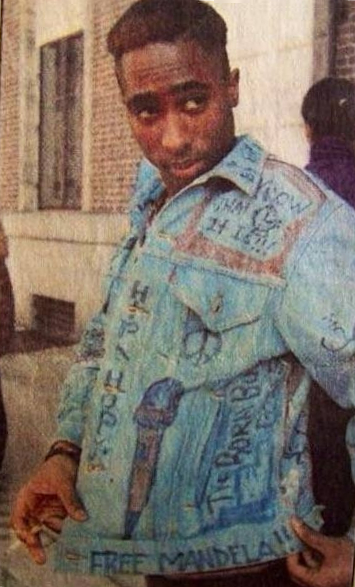
What happened — the verdict
A jury has found Duane “Keffe D” Davis guilty of murder in the 1996 fatal shooting of Tupac Shakur, multiple major outlets reported. The conviction was described by AP as first-degree murder, and other national and international outlets including The New York Times, NBC News, Time and Al Jazeera carried accounts of the jury’s decision.
News organizations covering the trial reported that the conviction resolves a decades-long unresolved homicide that took place after a 1996 confrontation in Las Vegas. Several outlets described the killing as a drive-by shooting; local Nevada outlets also reported the verdict and its location.
How prosecutors framed the case
According to reporting from The New York Times and others, prosecutors argued that Davis orchestrated the attack that killed Tupac Shakur. Coverage indicates the prosecution presented a narrative tying Davis to the planning and execution of the 1996 shooting, and the jury ultimately accepted that presentation.
Accounts from NBC, Time and Al Jazeera identified Davis as a former gang leader and described the trial as focused on his alleged leadership role in the attack. The available summaries do not provide a detailed list of the specific pieces of evidence the jury cited, such as witness testimony, admissions, forensic material or other exhibits, so this article relies on the outlets’ summaries of the prosecution’s theory rather than a verbatim review of trial exhibits or verdict paperwork.
What the record in the supplied coverage does and does not show
The pool of reporting assembled by Freedom News Media consistently states that a conviction was reached; several outlets explicitly call it a first-degree murder verdict. That distinction is important: a criminal conviction is a legal finding following a trial and jury deliberation, which is different from an allegation or an indictment. Where sources differ is not on the outcome but on granular courtroom detail.
None of the supplied summaries includes the actual court verdict document, the written jury form, or a published sentencing date. The source set also does not include a publicly posted prosecutor’s written statement of evidence, the judge’s bench rulings, or the official docket entries from the Las Vegas or Los Angeles courts. For that reason, this article attributes the core outcome to the reporting outlets rather than claiming Freedom News directly inspected court records.
Legal consequences and next steps
A conviction for first-degree murder typically carries severe penalties under Nevada law, and those penalties often include life in prison; however, the supplied reporting did not include a confirmed sentencing date or the judge’s eventual sentence in this case. Sentencing is ordinarily scheduled after a conviction and may be subject to statutory minimums, judicial discretion, and post‑conviction motions.
Defense appeals are common after major convictions, and several outlets noted the potential for an appeal although the supplied summaries do not include a firm statement from Davis’s defense team about an appeal plan. Because appeals, motions for a new trial, or sentencing litigation can change the practical result for a defendant, observers should expect further developments and filings in the court record in the days and weeks after sentencing is set.
Why this verdict matters now
Tupac Shakur’s killing in 1996 has been one of the most prominent unsolved celebrity homicides in modern American culture, and the case has drawn recurring public attention for decades. Major outlets framed the conviction not only as a legal outcome but as a moment of accountability in a long-running investigation.
Beyond the celebrity angle, the trial touches on broader questions about how cold or stalled investigations can be reopened and prosecuted years after a crime, the role of cooperating witnesses and criminal investigations that cross jurisdictions, and how cultural memory intersects with the criminal-justice process. The coverage notes that the case’s high profile shaped public interest in the trial and its outcome.
What to watch next
Readers should expect follow-up reporting on the official sentencing date, the judge’s sentence, any post‑trial motions or appeals, and—if released—public statements from prosecutors or the defendant. The supplied coverage indicates that some local Nevada outlets and national publications will report such developments as the official court paperwork and statements become available.
Freedom News Media will update this story if and when official court documents, a formal prosecutor statement, sentencing details, or a defense response are published or posted to the public docket.
Sources reviewed
- Time Magazine: Duane ‘Keffe D’ Davis Found Guilty of Tupac Shakur’s Murder
- Al Jazeera: Ex-gang leader Duane ‘Keffe D’ Davis found guilty of murdering Tupac Shakur
- NBC Los Angeles: Duane ‘Keffe D' Davis found guilty in Tupac Shakur murder trial
- NBC News: Ex-gang leader found guilty of murder in Tupac Shakur’s 1996 drive-by killing
- AP News: Jury convicts a man of first-degree murder for the 1996 killing of rap icon Tupac Shakur
- Law Commentary: Duane “Keffe D” Davis Found Guilty of First-Degree Murder in Tupac Shakur Killing
- KLAS 8 News Now: Duane ‘Keffe D’ Davis found guilty in connection to Tupac Shakur murder in Las Vegas
- The New York Times: Former Gang Leader Is Found Guilty of Orchestrating Tupac Shakur’s Killing
- FOX5 Vegas: Duane ‘Keffe D’ Davis found guilty in Tupac Shakur murder trial
- Oxygen Official Site: What’s Happens Next for Duane “Keffe D” Davis After Tupac Shakur Murder Conviction