What was reported
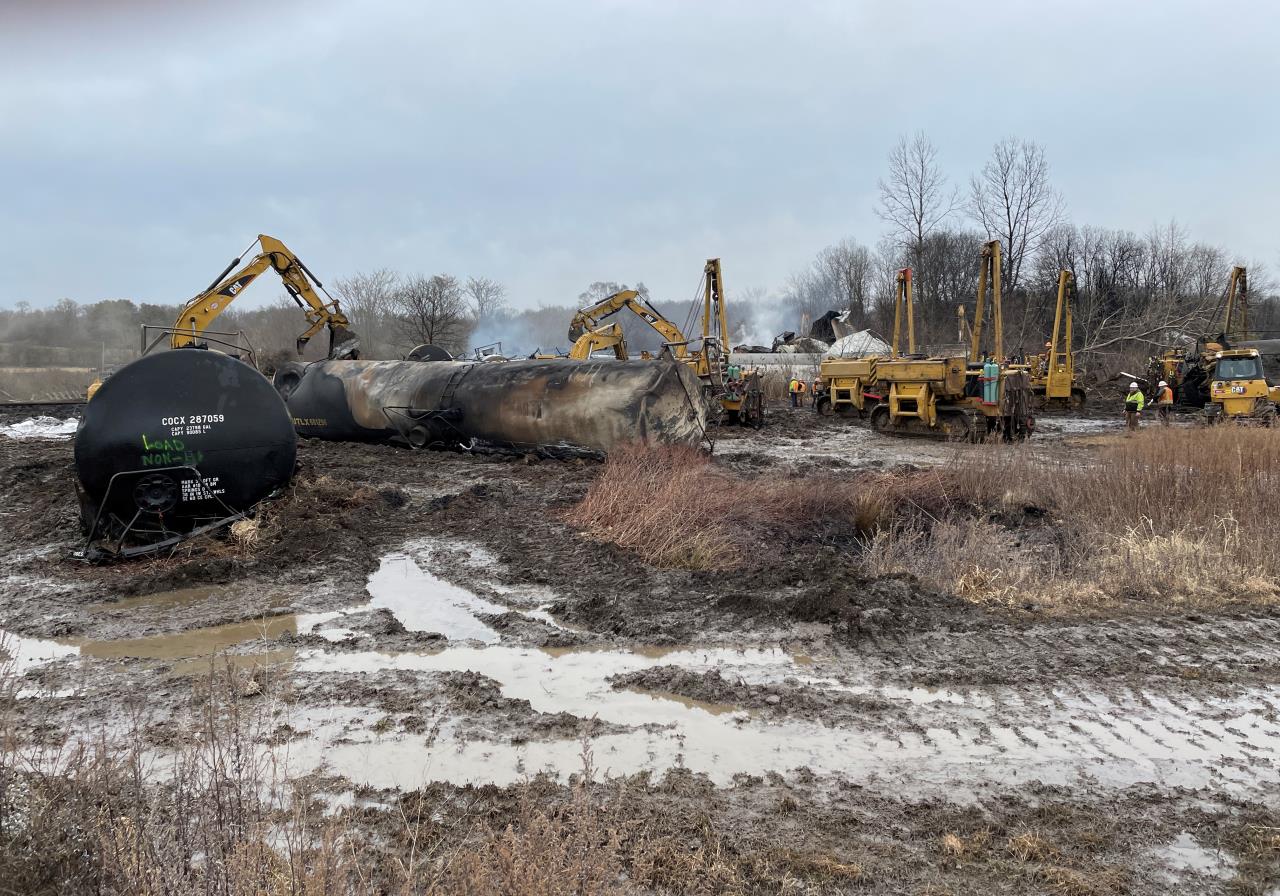
Multiple news outlets reported this week that the Environmental Protection Agency’s Office of Inspector General plans to audit the agency’s response to the 2023 train derailment in East Palestine, Ohio. Coverage of the announcement appeared across national and trade outlets on Oct. 27–28, 2026, including Bloomberg Law, Trains Magazine, the Washington Times and local station coverage summarized by CBS17.
Those reports describe an OIG review focused on the EPA’s actions after the derailment; outlets variously framed the step as an audit, an examination or an assessment of the agency’s response. Bloomberg Law characterized the development as moving the probe forward alongside other investigations. The local reporting noted that the derailment in question occurred in 2023 and remains a matter of ongoing public interest for residents and local officials.
What an OIG audit does — and what it cannot do
An Office of Inspector General audit typically examines whether an agency followed applicable laws, policies and internal controls; assesses the adequacy and timeliness of its actions; and documents strengths, weaknesses and recommended corrective steps. OIG audits routinely result in formal reports that include findings and recommendations intended to improve future agency performance and accountability.
An OIG audit is not itself a regulatory enforcement action and does not directly order changes in cleanup operations. Instead, OIG reports can prompt an agency to revise practices, can be used by Congress in oversight hearings, and may lead to referrals to other authorities if the OIG spots potential criminal conduct or civil enforcement issues. The published reporting does not assert that the OIG review will change any ongoing cleanup work in East Palestine immediately.
What’s known and what remains unclear
The accounts published by the outlets in our source set confirm that the OIG will scrutinize the EPA’s response, but they do not provide the text of an OIG announcement, a detailed audit plan, or a timeline for completion. None of the summaries in the supplied reporting list the specific documents the OIG has requested, the precise questions the audit will address, or the expected date for a public report.
That absence matters because an audit’s scope determines whether the review is narrow (for example, examining a single decision or contract) or broad (analyzing interagency coordination, communications, and long-term monitoring). Readers should therefore treat this development as the opening of a formal review rather than a final accounting of the EPA’s actions or culpability.
Why the review matters locally and nationally
For East Palestine residents and local leaders, an OIG audit offers a mechanism for independent review of how the federal agency handled the immediate response and subsequent cleanup oversight. An OIG report that identifies gaps or missteps can strengthen calls for specific changes, create pressure for improved transparency about monitoring results, and inform litigation or legislative responses.
Nationally, audits of high-profile environmental incidents can shape agency guidance on emergency response, influence congressional oversight priorities, and contribute to policy debates about rail safety, hazardous-materials regulation, and interagency coordination during environmental emergencies. Trade and legal observers, reflected in the Bloomberg Law and Trains Magazine coverage, are likely to watch both the OIG findings and any follow-up by EPA or other federal agencies.
What to watch next
Readers who want to follow the review should look for a formal OIG press release or an audit plan posted to the Office of Inspector General’s website; those documents typically specify the objective, scope, methodology and expected completion date. Absent those materials in the public record, subsequent reporting should clarify whether the OIG issued document requests, whether it is coordinating with other federal or state reviews, and whether it expects to make interim or final findings public.
Additionally, watch for responses from the EPA and local officials: agencies commonly acknowledge an OIG review and may commit to cooperating, while residents and elected officials frequently ask for timely disclosure of monitoring data and remediation milestones. If the OIG report identifies serious procedural failures, expect follow-up actions from Congress, the EPA leadership, or both.
What Freedom News will do next
This article is based on reporting by Bloomberg Law, Trains Magazine, the Washington Times and local coverage summarized by CBS17; we have not yet found a publicly posted OIG audit plan or press release in the sources supplied for this assignment. Freedom News will monitor the OIG’s public docket and EPA statements and will report when the audit plan, scope documents, or a timeline become available.
We will also track whether the OIG report, when issued, includes recommendations, whether the EPA accepts them, and whether any additional federal or state enforcement or oversight steps follow. For affected residents, we will prioritize publishing clear explanations of what the report says and what it means for ongoing cleanup and health monitoring.
Sources reviewed
- Latest news from Azerbaijan: EPA watchdog to audit response to East Palestine train derailment
- Trains Magazine: EPA inspector general to examine agency response in East Palestine, Ohio
- Washington Times: EPA watchdog to assess agency’s response to East Palestine train derailment
- Bloomberg Law News: East Palestine Train Probe Moves Forward With EPA Investigation
- CBS 17: EPA response to 2023 Ohio train derailment will be investigated by agency watchdog