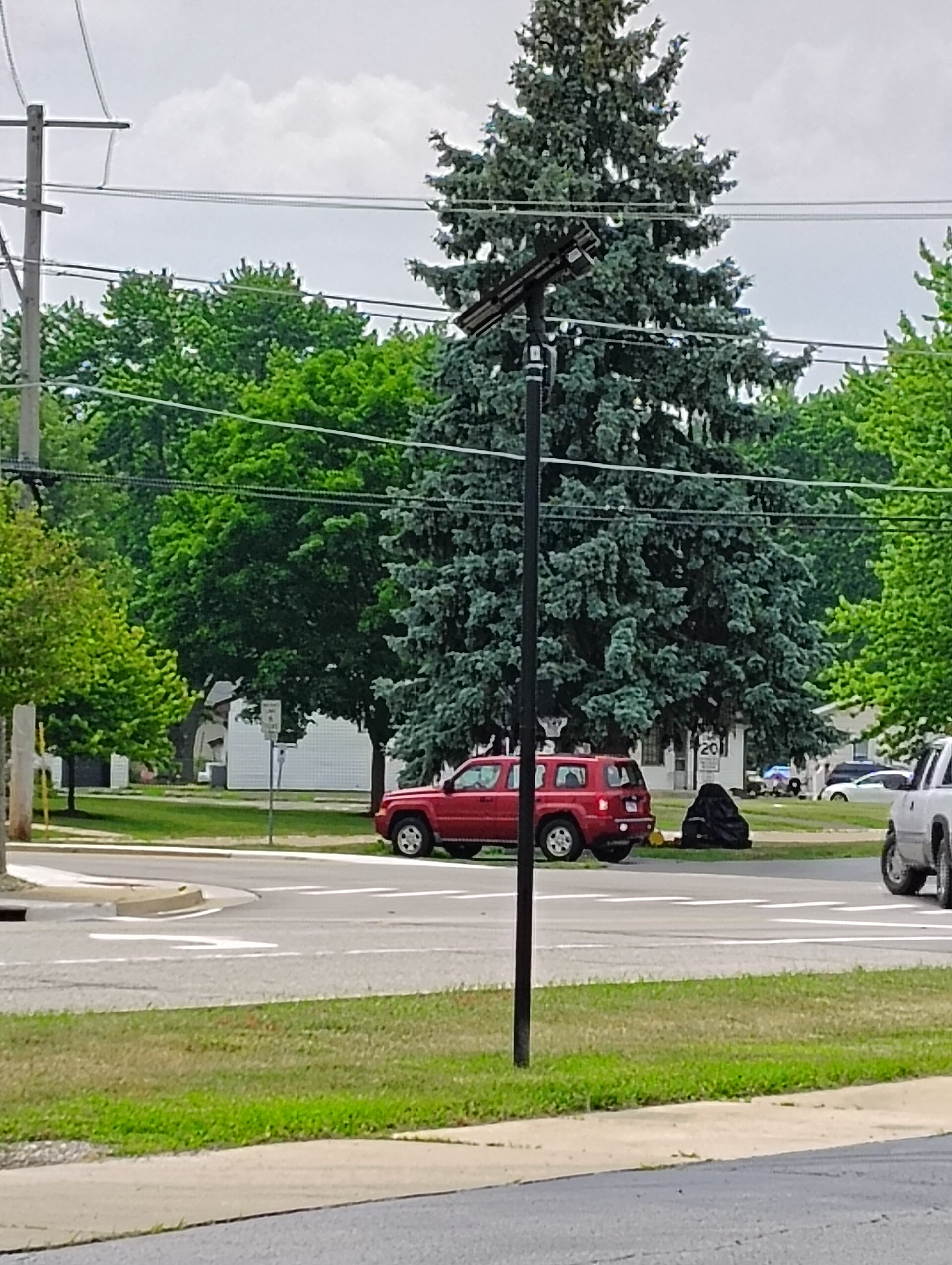
What reporters are finding: a multi‑front backlash
Multiple independent outlets are documenting a broad backlash against Flock Safety, a company that sells license‑plate reading camera networks to local governments, campuses and private property owners. National and local reporting converges on three connected trends: municipalities and institutions pausing or ending Flock contracts, some jurisdictions actively replacing Flock cameras with alternative vendors, and state lawmakers beginning to consider restrictions or bans.
Local television reporting in Wisconsin shows at least one police department moving away from Flock and toward a different supplier; in that case, the county police procurement shifted from Flock cameras to gear sold by a competing company, according to regional coverage. National outlets report similar patterns elsewhere, with some cities and campuses described as quietly replacing Flock systems with other providers or pausing new purchases while officials review policy and oversight.
Coverage also documents institutional pressure beyond city councils and police departments. A university‑level outlet described a campus victory against Flock deployments, and business‑focused reporting warns that retail customers are reacting to the controversy, which could limit Flock’s market among stores and shopping centers.
Why local officials are changing course
Reporting attributes the procurement shifts to multiple causes that often appear together: public backlash after news reports and advocacy campaigns raising concerns about law enforcement misuse; reported instances of alleged abuse or unauthorized access; and scrutiny from state legislators contemplating new limits. One national broadcaster described the company announcing security changes after dozens of reports alleging law enforcement abuse and sustained public pressure. State‑level reporters indicate lawmakers in at least one state are considering bills that would restrict or ban Flock cameras outright.
The combination of reputational risk, potential new regulation, and vocal local opposition appears to be driving some jurisdictions toward pause‑and‑review policies, and in other cases toward replacing Flock with alternative vendors. Reporters find that in at least one county the police department is adopting a different vendor’s system, which local coverage framed as an explicit shift away from Flock rather than a simple upgrade.
Patterns in procurement and vendor choices
The available reporting suggests several consistent procurement patterns. First, smaller, visible fights—on college campuses or in individual towns—appear to cascade into broader reconsideration when other communities take note. Second, when a municipality decides to move away from Flock, it often buys systems from existing large vendors rather than abandoning camera‑based surveillance entirely; one local news report described a switch to a well‑known law‑enforcement technology firm.
Third, retail and private property buyers are paying attention. Business reporting warns that some retailers are reducing or rethinking purchases of vehicles‑and‑license‑plate tracking systems amid the controversy. That shift matters because private contracts—shopping centers, parking operators, and commercial landlords—are an important revenue stream for vendors that sell perimeter‑and‑entry monitoring to non‑government customers.
What the public record still doesn’t show
Despite converging accounts from multiple outlets, the reporting set reviewed for this article does not include municipal meeting minutes, ordinances, procurement contracts, or the full data‑sharing agreements that would allow independent verification of the extent and the legal terms of cancellations, pauses, or replacements. In short, independent reporting documents many decisions and statements, but the underlying municipal and contract records have not been assembled in the reviewed coverage.
That evidence gap matters for several consequential questions. Reporters and public‑interest researchers still lack consistent, city‑level numbers on how many Flock installations have been decommissioned, the dollar value of canceled or redirected contracts, and any measurable effect on crime metrics where deployments were removed or replaced. Similarly, the precise contractual terms that govern data retention, access by law enforcement, and third‑party sharing are not published in the reporting reviewed here, so the legal mechanics behind procurement changes remain partly opaque.
How to read the reported impacts — and what to watch next
The documented shifts in procurement and political pressure make clear that public and institutional opinion is affecting the surveillance‑camera market. Where a public agency or campus pauses or terminates a contract, that decision reduces immediate revenue for the vendor and signals reputational risk to other potential customers. Business coverage suggests retailers are watching those reputational and regulatory dynamics when they decide whether to buy similar systems.
But the absence of a consistent, publicly available dataset tying procurement changes to measurable public‑safety outcomes means causal claims about crime increases or decreases are premature. To sharpen accountability reporting, journalists and local watchdogs should seek municipal meeting minutes, procurement change orders, vendor invoices, and the raw crime‑incident time series for affected areas. Legislative dockets and the actual data‑sharing or terms‑of‑service agreements between vendors and agencies would clarify how personal data is stored and accessed and whether new language accompanying recent vendor announcements materially changes access controls.
For readers tracking this story, key things to watch are (1) whether city and county clerks publish meeting minutes and procurement records showing vote totals and contract amendments, (2) legislative committees releasing draft bills that would limit or ban license‑plate reader networks, (3) any vendor filings or investor disclosures that quantify lost revenue or canceled contracts, and (4) local police departments publishing before‑and‑after crime statistics in jurisdictions that have removed or replaced camera networks.
Bottom line
Reporting from national and local outlets shows a clear political and market reaction against one vendor of license‑plate‑reading cameras: municipalities, campuses and private buyers are pausing, replacing or reconsidering deployments, and lawmakers in at least one state are weighing legal limits. That pattern signals a shift in the market and in public tolerance for certain kinds of automated surveillance.
At the same time, the most consequential pieces of the puzzle—municipal contracts, procurement records, the detailed terms of data‑sharing agreements and consistent crime‑impact assessments—are not yet assembled in the public record reviewed here. Those primary documents are the next step needed to move this from reporting about political and procurement reaction to a full accountability story about outcomes, legal obligations and public safety tradeoffs.
Sources reviewed
- The Record from Recorded Future News: Where the backlash against Flock Safety is having the biggest impact
- Breaking News, Latest News and Videos: Flock announces security changes after dozens of reports of law enforcement abuse and public backlash - ABC News
- Spotlight PA: Pa. lawmakers eye limits, outright ban on Flock cameras as they prepare for fall return
- FOX6 News Milwaukee: Flock out, Axon in: Kenosha police lead surveillance tech shift
- businessinsider.com: The Flock backlash is coming for retail
- Yale Daily News: One Battle Won against Flock Security
- The Hill: Americans don’t agree on much. Backlash to Big Tech might be the outlier
- Newsweek: US cities are quietly replacing Flock cameras with alternatives
- dailywire.com: The Spectacular PR Collapse Of Flock Safety