What happened and where
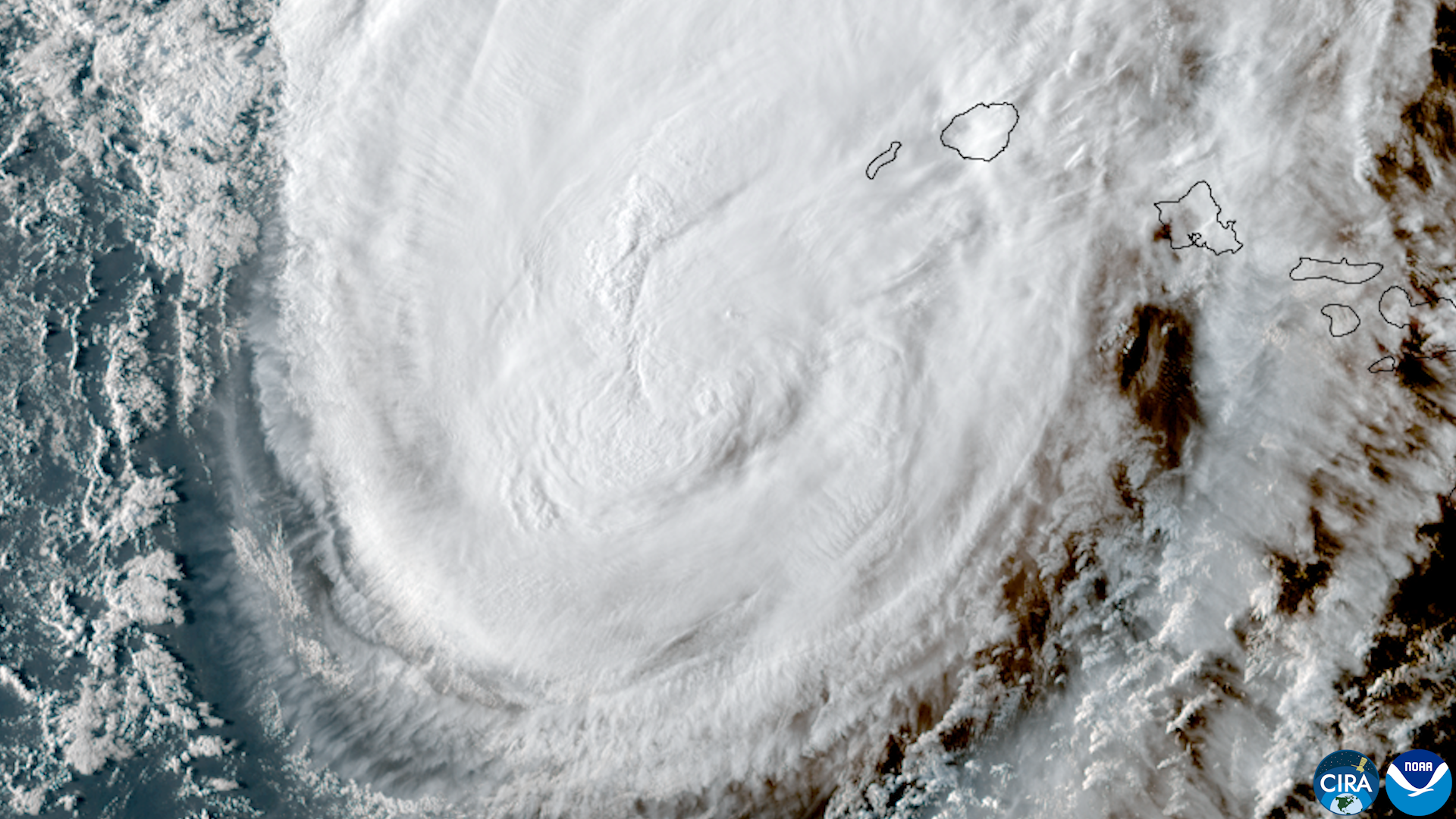
Hurricane Lowell struck parts of Hawaii’s western islands over the past 24–48 hours, producing sustained severe winds, heavy rainfall, flooding and storm surge in affected communities. Multiple national and local outlets reporting on the event identified Kauaʻi, Maui and parts of Oʻahu as the areas that experienced the strongest impacts.
Local and national reporting reviewed by Freedom News indicates Kauaʻi took some of the heaviest damage. Honolulu Civil Beat described the island as hit hard while noting that the worst-case scenarios were not realized everywhere. NBC News and The Weather Channel also reported fierce winds across the western islands, and Yale Climate Connections highlighted extensive flooding and an unusual tornado watch tied to the storm’s dynamics over the state.
Coverage from CBS News and The Guardian emphasized widespread power outages on Kauaʻi and surrounding islands, while business disruptions — including bank closures across Kauaʻi and portions of Oʻahu and Maui — were reported by The Business Journals.
Casualties, damage and official updates
The most consequential human toll reported in the material reviewed is a gubernatorial statement reported by WSVN that at least one person died in connection with the storm. That single outlet attributes the confirmation to the governor; Freedom News treats the casualty count as reported information pending broader official confirmation from state or county emergency management records.
The Hawaiʻi Emergency Management Agency (HEMA) published official Hurricane Lowell updates and advisories during the event. Those agency updates were cited across reporting and served as the primary source for local instructions and situational awareness. News outlets repeatedly urged residents to follow HEMA guidance for closures, shelter information and safety steps.
No comprehensive statewide damage estimate or consolidated county-level assessment was available in the set of reporting reviewed. Civil Beat and other outlets described localized structural damage and flooding, and business and consumer disruptions were evident in reports of widespread power loss and bank closures. Officials and utilities had begun damage assessments and initial recovery actions at the time of reporting.
Power outages, infrastructure impacts and services
Several outlets reported major electricity disruptions. CBS News described outages that affected thousands of customers, and The Guardian specifically noted power knockouts on Kauaʻi. Those reports indicate significant distribution damage or precautionary shutdowns, but the reviewed reporting did not include a consolidated utilities’ restoration timeline or exact outage maps from power companies.
Operational impacts extended beyond electricity. The Business Journals documented bank branch closures across Kauaʻi and parts of Oʻahu and Maui, reflecting both safety concerns and infrastructure interruptions. Road closures, shelter activations and detailed lists of affected public facilities were referenced generically in local emergency messaging but were not enumerated in the reporting reviewed for this article.
At the time of the reports, utilities and county emergency management agencies were engaged in initial damage surveys and prioritizing restoration to critical facilities. Detailed restoration schedules and estimated times of reconnection were not available in the sources reviewed, leaving timelines uncertain for many residents.
Flooding, tornado watch and unusual hazards
Yale Climate Connections noted that Lowell triggered a historic tornado watch and widespread flooding events on the islands — an atypical combination tied to the storm’s interaction with local topography and atmospheric instability. Flooding and localized coastal inundation were reported in multiple outlets as part of the storm’s primary hazards, increasing risk to low-lying communities and infrastructure.
Reporters and emergency managers emphasized that hazards were not limited to wind: flash floods, landslides in steep terrain, storm-surge inundation along exposed shorelines and the possibility of embedded tornadoes drove much of the immediate protective action and sheltering advice.
Timeline and immediate recovery steps for residents
Forecasting and timeline pieces reviewed — including a pre-event timeline from FOX Weather — showed that Lowell’s approach was tracked closely by forecasters and local officials over the 48 hours before significant impacts were reported. The rapid-onset nature of tropical systems in island settings made evacuation and pre-positioning decisions time-sensitive for affected communities.
Residents should prioritize official local guidance: follow Hawaiʻi Emergency Management Agency updates, obey county emergency orders, avoid flooded roads, and stay away from downed power lines. Where possible, conserve device battery power, document damage for insurance with dated photos once it is safe, and check official county channels for information on shelter openings and critical-resource distribution.
Because utilities had not published full restoration schedules in the reporting reviewed, residents dependent on electricity for medical equipment or refrigeration should seek official shelter support and notify emergency managers about special needs through county systems.
What’s still unknown and what to watch next
Key uncertainties remain: a consolidated count of fatalities or serious injuries was not independently confirmed across multiple official records in the sources reviewed; comprehensive, county-by-county damage assessments and a statewide economic-loss estimate were not yet available; and detailed restoration timelines from utility operators had not been published in the reporting set.
Readers in impacted areas should monitor the Hawaiʻi Emergency Management Agency for official damage assessments, emergency shelter listings and public-safety directives, and consult National Hurricane Center advisories and local National Weather Service statements for updated forecasts and marine/coastal warnings. Local utilities’ outage maps and county emergency-management social channels are the best sources for restoration status as crews complete assessments and repairs.
Sources reviewed
- The Weather Channel: Hurricane Lowell damage in Hawaii: Maui, Oahu and Kauai
- NBC News: Hawaii’s western islands hit by fierce winds from Hurricane Lowell
- Hawaii department of defense (.gov): Hurricane Lowell Updates – Hawai‘i Emergency Management Agency
- Honolulu Civil Beat: Hurricane Lowell Hit Kauaʻi Hard, But Worst Fears Averted
- The Business Journals: Hurricane Lowell forces bank closures across Kauai, parts of Oahu and Maui
- CBS News: Hurricane Lowell lashes Hawaii, knocking out power to thousands as flood risk continues
- Yale Climate Connections: Hurricane Lowell slams Hawaii, triggering historic tornado watch and widespread flooding
- The Guardian: Hurricane Lowell’s fierce winds and rains knocks out power on Hawaii’s Kauai
- wsvn.com: At least 1 killed in Hawaii after Hurricane Lowell devastates parts of the state, governor says
- FOX Weather: Timeline: When Hurricane Lowell could make rare, direct hit on Hawaii