What was reported
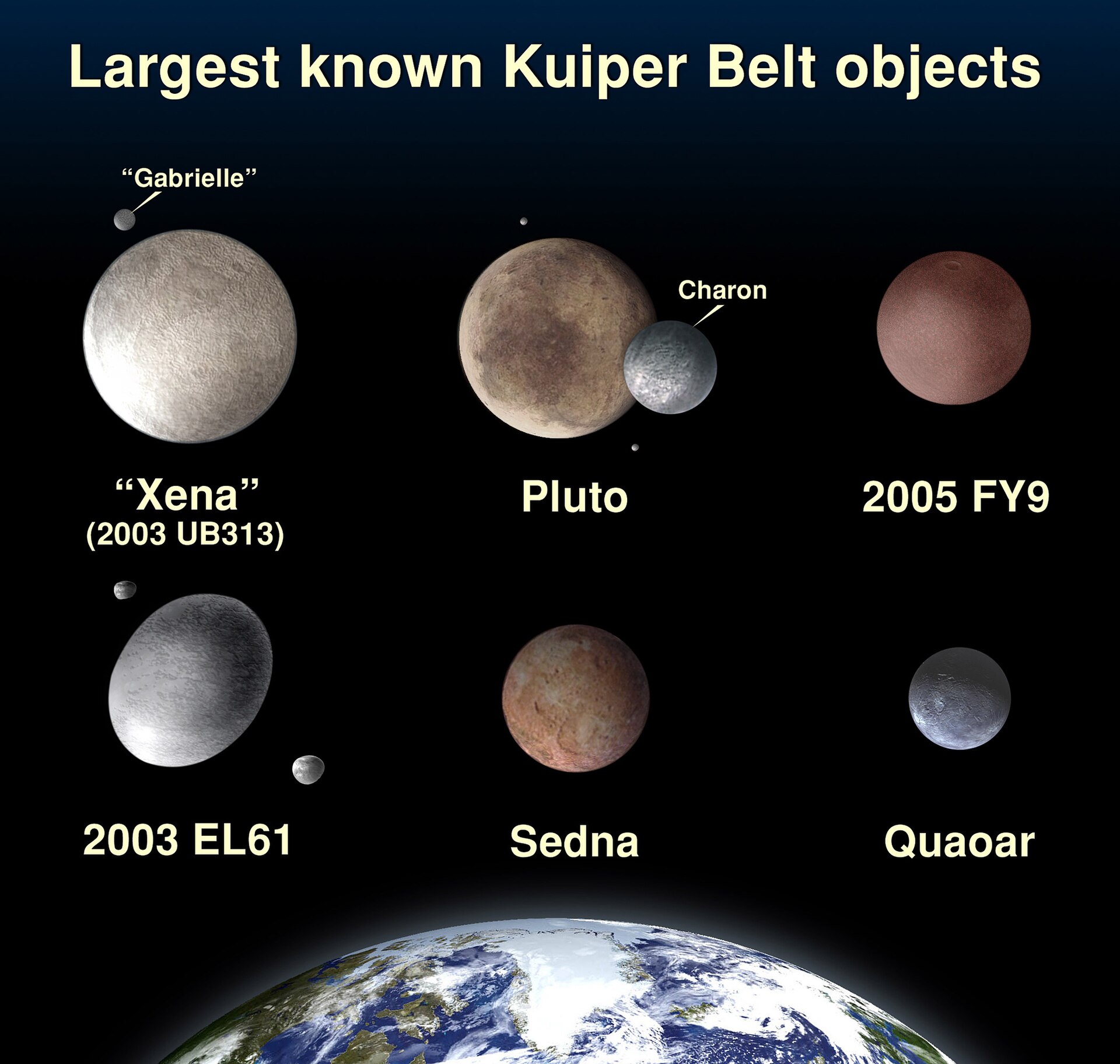
Multiple independent outlets report that imaging by the James Webb Space Telescope and the Hubble Space Telescope has revealed 27 previously unknown small objects orbiting the Sun at distances well beyond Neptune. The initial wave of coverage was carried by Space, Mashable and tech.yahoo.com, which describe the discoveries as a set of faint, small worlds detected in deep imaging of the outer solar system.
The accounts reviewed by Freedom News indicate the detections come from new targeted observations using the two flagship space observatories. The reporting does not, however, include direct links to a peer‑reviewed paper, a formal press release from a mission team or entries in the Minor Planet Center (MPC) catalog in the material supplied for this assignment; the outlets attribute the discoveries to the telescope teams involved.
Why coverage calls the finds 'puzzling'
The term puzzling appears across the reports because the objects challenge some expectations about what astronomers normally see at extreme heliocentric distances. The outlets describe the objects as unusually numerous and faint for the areas imaged, raising immediate questions about their sizes, surface properties and orbital paths. If confirmed, a cluster of small bodies at these distances could influence models of how the outer solar system formed and evolved.
That said, the available reporting does not settle which particular property—number density, color, reflectivity, orbital clustering, or something else—drives the description. Freedom News therefore treats the characterization 'puzzling' as a summary of early reaction rather than a settled scientific conclusion. Definitive interpretation will require the full dataset, orbital solutions, and peer review.
What we know about the detections and what is missing
The consistent facts across the three outlet summaries are simple: Webb and Hubble imaging revealed 27 objects beyond Neptune that were not in prior surveys. The reports call them 'tiny new worlds' or 'objects' rather than large dwarf planets, which implies they are small and faint, but none of the supplied reporting provides measured diameters, absolute magnitudes, or distances in astronomical units.
Crucially, the underlying primary records that would let other researchers and the public verify the finds—such as Minor Planet Center designations, discovery images or a posted preprint describing the observations and the methods—were not included in the source material provided for this assignment. Freedom News therefore relies on the independent reporting of Space, Mashable and Yahoo Tech for the core news item while flagging the absence of open catalog entries and a formal paper as unresolved evidence.
How astronomers will (likely) follow up
When new faint outer‑solar‑system objects are reported, the standard next steps are well established. Teams generally secure follow‑up observations to measure motion across the sky, which yields orbital elements; they submit candidate discoveries to the Minor Planet Center for provisional designations; and they publish a technical paper that describes search strategy, detection thresholds, and any inferred population statistics.
If the 27 detections persist under follow‑up scrutiny, astronomers will seek to constrain sizes (through brightness and assumed reflectivity), surface colors (from multi‑filter imaging), and orbits (to determine whether the objects belong to known populations such as the Kuiper belt or a more distant reservoir). Those measurements are necessary before the community can assess whether the finds truly require new theories about the outer solar system or instead reflect selection effects in deep imaging.
Why this matters for our picture of the outer solar system
Finding many small, faint objects at extreme distances would directly affect estimates of the population—and therefore the mass—of the distant small‑body reservoirs. That, in turn, matters for models of planetary migration, bombardment histories for the giant planets, and the long‑term dynamical evolution of small bodies. The discovery of unexpected clusters or orbital alignments could also feed ongoing debates about whether unseen massive perturbers influence distant orbits, though no such inference is warranted from the reporting reviewed here.
At present, the stronger and safer claim is that improved instrumentation—Webb’s infrared sensitivity and Hubble’s long operational archive—are enabling deeper, higher‑contrast surveys of the distant solar system than were possible a generation ago. Those capabilities increase the chance of finding faint populations that older surveys missed, which is newsworthy even before a theoretical interpretation is finalized.
What to watch next
Freedom News will look for three specific follow‑ups that convert a set of news reports into a verifiable discovery: (1) submission of the objects to the Minor Planet Center with provisional designations and discovery circumstances; (2) a posted preprint or journal article from the observing team describing methods, measured magnitudes, estimated distances and orbital fits; and (3) independent confirmation from ground‑based follow‑up or from repeat space‑telescope imaging that rules out transient artifacts or background sources.
Until at least one of those primary records appears, the reported discovery should be treated as a credible news lead supported by multiple outlets but still awaiting the public technical documentation astronomers rely on to test and extend new claims.
Sources reviewed
- Space: James Webb Space Telescope and Hubble discover 27 puzzling new objects orbiting the sun far beyond Neptune
- Mashable: James Webb Space Telescope reveals surprises about objects beyond Neptune
- tech.yahoo.com: James Webb and Hubble Space Telescopes discover tiny new worlds deep in our solar system