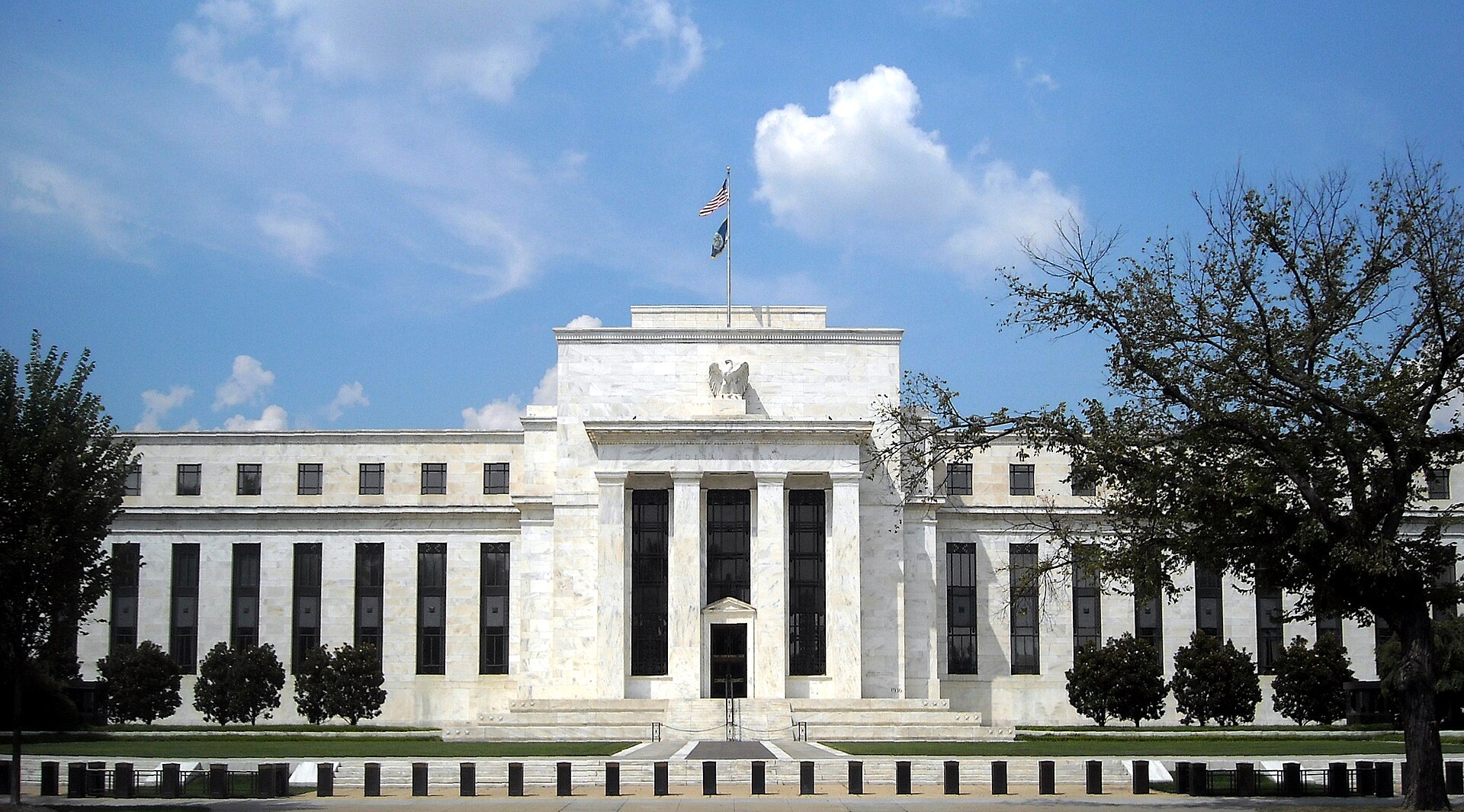
Why Sept. 14–18 matters
A confluence of policy meetings, inflation signals and corporate results has turned Sept. 14–18 into a classic “super week” for markets. Multiple outlets that preview the week say central‑bank rate decisions in the United States, the United Kingdom and Japan are the headline events, while a heavy corporate earnings slate and recent inflation data leave investors sensitive to anything that changes the odds for further tightening.
Kiplinger published a weekly preview pointing readers to the economic calendar and the set of releases that typically move markets. Yahoo Finance’s earnings calendar shows an unusually busy stretch of corporate reports that could alter risk appetites if results diverge from expectations. Market commentary summarized by Capital Brief and CNBC indicates traders are positioned for tighter policy after the latest inflation news, raising the stakes for this week’s official decisions.
Central banks are front and center
Multiple previews describe this as a week of major rate calls. Moomoo framed the week as a Super Week focused on interest‑rate decisions in the U.S., U.K. and Japan. Investors’ Chronicle called out “three big rate calls,” underscoring how much attention will fall on policymaker language as much as on the final rate votes.
CNBC reported that a Fed hike next week appears likely after recent inflation readings, and market participants are treating the Fed meeting as the most consequential event. The Bank of England and the Bank of Japan meetings create parallel risks: the Bank of England’s decision could shift sterling and gilt yields if its assessment of U.K. inflation or growth surprises, while Japan’s central bank actions or commentary could influence global bond markets given the BOJ’s long era of unconventional policy.
Because markets already appear to be pricing in tighter policy, small changes in guidance or economic projections could have outsized effects on risk assets and fixed‑income markets. Professional previews therefore emphasize watching policymakers’ forward guidance, changes to rate‑path projections, and language about whether tightening is on pause or likely to continue.
Earnings and corporate catalysts that could amplify moves
Corporate results arrive on top of the policy calendar. Yahoo Finance’s earnings calendar highlights a packed week of quarterly reports that historically have moved stock prices and, by extension, broader market sentiment. When policy uncertainty is high, earnings surprises — positive or negative — can either reinforce or counteract moves driven by central‑bank developments.
Analysts and market commentary compiled by Capital Brief noted that stocks recently rallied as investors rooted for central‑bank action to counter inflation, reflecting how markets are tying corporate valuations to expectations for interest‑rate trajectories. That linkage means an earnings slip could cause a sharper correction if investors simultaneously reassess the outlook for rates.
How investors are positioning and what to watch day‑to‑day
Previews from multiple finance outlets show investors entering the week with heightened sensitivity to two question sets: first, whether central banks will raise rates or stick to previously signaled paths; and second, whether corporate earnings and economic indicators reinforce or challenge those decisions. Expect the largest market moves on the days of central‑bank announcements and immediately after major inflation or jobs releases if any occur within the week’s window.
Practically speaking, volatility could increase in equities, sovereign bond yields and currency markets. Traders will watch policy statements and any updated economic projections from central banks. Market participants also keep an eye on forward‑looking language — for example, whether officials say they are data‑dependent, see transitory drivers of inflation, or expect to hold policy steady — because those nuances often determine short‑term positioning.
What readers and ordinary investors should understand
For nonprofessional readers, the key takeaway is that clustered policy meetings and significant corporate news create environments where small shifts in data or wording produce large market moves. Previews from Stockopedia framed the week as a pivotal moment for certain policymakers and market participants; outlets use that phrasing to emphasize that expectations are fragile and the reaction function — how markets respond when expectations are disappointed — will be important.
A cautious approach is to avoid overreacting to headline volatility. For long‑term savers, weekly noise rarely warrants major portfolio changes. For traders or those with short horizons, it is important to identify trigger events (the specific central‑bank announcements and the timing of big earnings releases listed on the earnings calendar) and to plan for how much volatility they can tolerate.
Risks, uncertainties and what could change the story
Despite wide agreement that this week is important, several uncertainties remain. Outlets agree only on the calendar and the broad stakes; they do not — and cannot — know how policymakers will phrase their statements, how corporate guidance will land, or how new data might shift probabilities. CNBC and other market summaries point to recent inflation readings as a driver of expectations, but the precise sensitivity of central banks to incoming data can change quickly.
Another uncertainty is the market reaction itself. Capital Brief observed that recent rallies reflected hopes for central‑bank action; if policy surprises are viewed as insufficient or too aggressive, the same positioning could create sharp reversals. Readers should therefore treat forecasts as conditional and monitor official releases from the Fed, the Bank of England and the Bank of Japan along with the corporate results listed on the earnings calendars.
Sources reviewed
- Kiplinger: What to Look Out for in Economic Data This Week (September 14-18)
- CNBC: A Fed hike next week seems certain after the latest inflation data. Here's what's ahead
- Yahoo Finance: Earnings Calendar and Analysis for This Week (September 14-18)
- State of Michigan (.gov): SepticSmart Week features free webinar promoting septic maintenance, public health, water conservation and more
- Capital Brief: Stocks rally as investors root for Fed action on inflation
- Moomoo: Super Week Preview: Interest Rate Decisions in the US, UK, and Japan
- Investors' Chronicle: Three big rate calls: Economic week ahead – 14-18 Sep
- Stockopedia: The Week Ahead (14-18 Sep): Kevin Warsh's moment of truth
- Yorkshire Live: Scarborough Open Air Theatre's ‘valuable economic boost’ as summer 2027 headliners announced
- irishsun.com: Property prices in Ireland 17% above economic conditions