What happened — the basic timeline
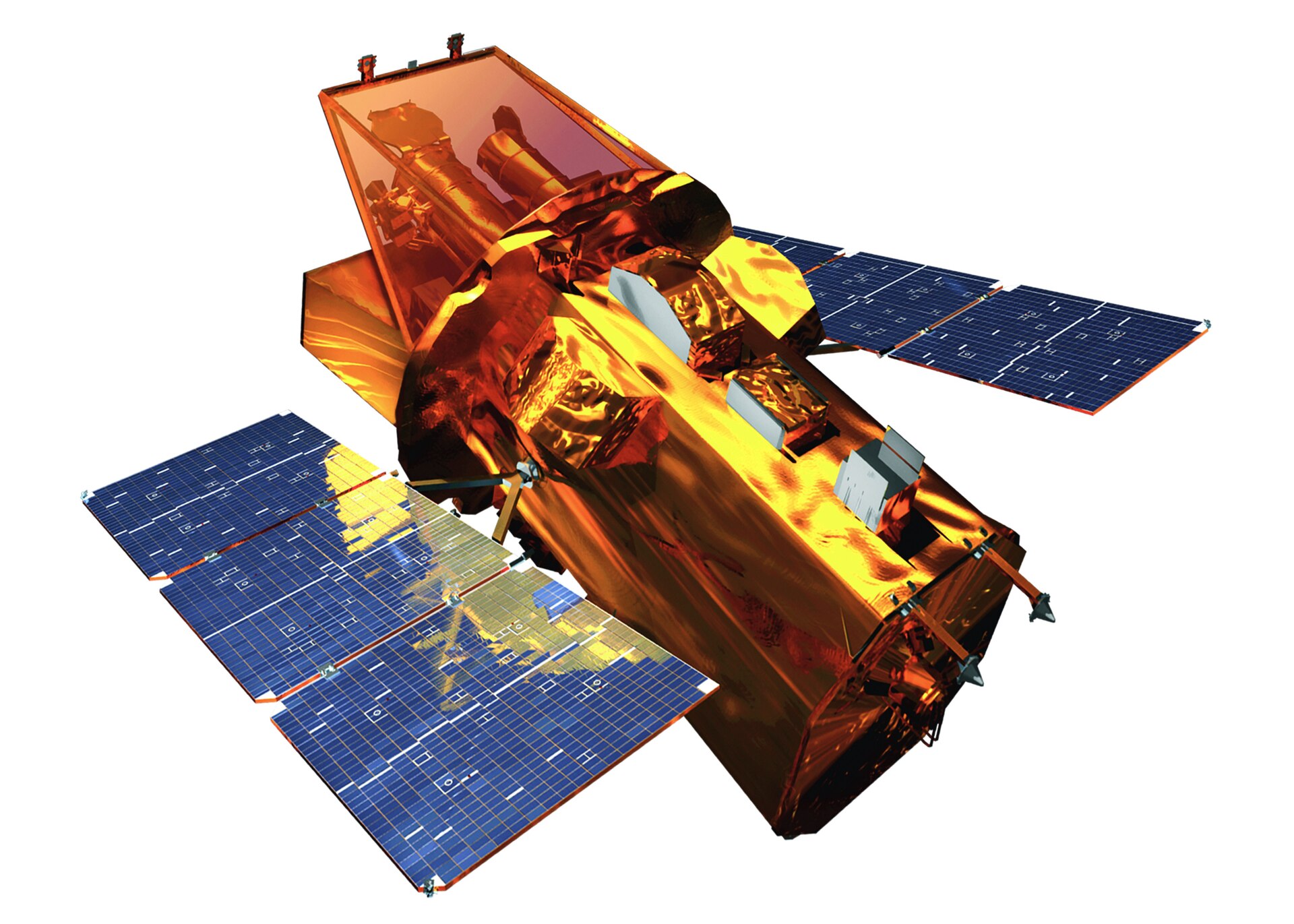
Multiple news outlets report that NASA’s Neil Gehrels Swift Observatory reentered Earth’s atmosphere and burned up after about 22 years in orbit. Reuters described the event as a “fiery finale,” and Live Science reported that the observatory burned up in the atmosphere. Spaceflight Now located the reentry over western Indonesia. Several other outlets, including the BBC Sky at Night Magazine, The Hill and Defensehere, described the end of the mission after roughly two decades of operations.
The spacecraft is widely described in reporting as roughly 22 years old and weighing about 3,200 pounds at launch or in operational configuration. ABC7 New York’s coverage mentions a 3,200‑pound figure, while multiple outlets place the mission length at nearly 22 years. The exact UTC timestamp of the reentry is not supplied in the sources provided to Freedom News Staff.
Where did it break up, and did any hardware survive to the ground?
Spaceflight Now reported the reentry occurred over western Indonesia. Other outlets report the satellite burned up in the atmosphere. None of the supplied source summaries include an authoritative, contemporaneous NASA reentry notice or a publicly posted mission‑status page confirming a specific breakup altitude or a list of surviving debris.
One outlet in the set used the headline language that science operations ended below an altitude of 171 miles. That claim appears in a single summary in the supplied sources and is not corroborated elsewhere in the set; Freedom News Staff is therefore only attributing that specific altitude to that outlet rather than treating it as an established fact.
At the time of this reporting, the assembled source set does not contain verified public reporting that pieces of Swift reached the ground or caused damage. The prevailing description across outlets is that the satellite burned up during uncontrolled atmospheric reentry. If an official confirmation of surviving debris or ground impact is released by an authoritative agency, that should be treated as a separate, verifiable update.
Why Swift mattered: mission role and scientific legacy
The Neil Gehrels Swift Observatory was designed to find and follow rapidly evolving, high‑energy events such as gamma‑ray bursts and other explosive transients. Reporting in The Conversation framed Swift as an indispensable facility for tracking fast‑moving events in space; several other outlets summarized two decades of observations that contributed to time‑sensitive follow‑ups across the electromagnetic spectrum.
Swift’s instruments and observing strategy allowed it to locate bursts quickly and alert the wider astronomical community so telescopes on the ground and in space could perform rapid follow‑up. That capability is the core of the mission’s scientific legacy as described in the supplied coverage: an operational model of discovery, localization and community alerting that other missions have emulated or incorporated into their planning.
What happens to Swift data and how missions handle a deorbit
The supplied reporting emphasizes Swift’s scientific value but does not include a primary NASA record in this source set about the future handling of mission data or the status of archive access. Pieces such as The Conversation discuss the observatory’s legacy for astronomy, which typically includes long‑term archival value; however, without a direct agency statement in the supplied sources, Freedom News Staff is not able to confirm the precise archival or stewardship arrangements at this moment.
In general practice for NASA astrophysics missions, science data are ingested into mission archives that remain accessible to researchers after operations end, and mission teams or NASA centers publish statements about archive access and long‑term preservation. Readers should expect an official notice from NASA or the Swift team detailing archive status, public access and any plans for legacy data products. That disclosure was not present in the source summaries provided for this automated report.
What to watch next
Look for an official NASA mission status page or a statement from the Swift project team confirming the time and location of reentry, whether any identifiable debris survived to the surface and the formal arrangements for preserving and accessing the mission archive. An authoritative agency release would resolve the remaining uncertainties reflected in the current press coverage.
Space situational awareness organizations and national agencies sometimes publish reentry analyses and breakup altitude estimates after they process tracking data; those records would be the primary sources to confirm any specific altitude, debris survivability, or hazard assessments. Freedom News Staff will update when such primary records are made available.
Sources reviewed
- Live Science: NASA's Swift Observatory burns up in Earth's atmosphere
- shattered.io: NASA Swift Reentry: Science Ends Below 171 Miles [2026]
- The Hill: NASA telescope reenters Earth’s atmosphere
- BBC Sky at Night Magazine: NASA space telescope crashes back to Earth after two decades exploring explosions across the Universe
- Defensehere: NASA’s Swift Observatory re-entered Earth’s atmosphere after nearly 22 years in orbit
- Reuters: NASA's 22-year-old Swift satellite telescope falls from orbit in fiery finale
- The Conversation: NASA’s Swift Observatory has burned up in the atmosphere – the indispensable telescope helped astronomers track fast-moving events in space
- ABC7 New York: A 3,200-pound NASA observatory is careening back toward Earth | Here’s what to know
- Українські Національні Новини (УНН): NASA’s Swift space telescope deorbited after 22 years of operation
- Spaceflight Now: NASA’s Neil Gehrels Swift Observatory reenters over Western Indonesia