What the coverage shows
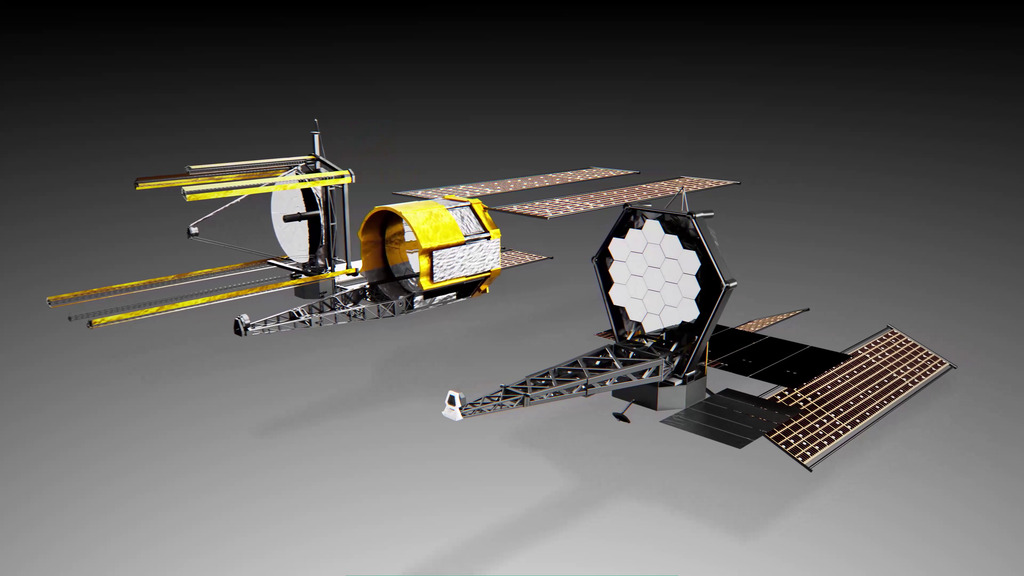
Phys.org and Universe Today report that a NASA systems engineering team recently presented a detailed view of the mission architecture for the Habitable Worlds Observatory (HWO). Both outlets describe the session as a technical briefing in which engineers walked through the choices and trade-offs that will determine the observatory's design and program trajectory.
The two outlets characterize the presentation as focusing on architecture — the high-level configuration of spacecraft, payload and launch options — rather than announcing a finalized design. According to those reports, the briefing emphasized alternative approaches and the engineering decisions that will be used to narrow options in coming reviews and planning cycles.
What systems engineering actually does (and why this briefing matters)
Systems engineering translates science goals into hardware, schedule and budgets. The publicly reported briefing is the point where technical teams show how mission requirements map onto concrete engineering choices: how large the optical system might need to be, how instruments and starlight-suppression technologies could be packaged, what mass and power budgets imply for the launch vehicle, and how those choices affect cost and schedule risk.
That explanatory role is why the reporting matters. A systems-engineering presentation does not finalize the mission; it narrows the feasible design space and highlights where trade-offs will be required. The process shapes what the mission office will ask for in subsequent design reviews, budget submissions, and potential international or industrial partnerships.
What the articles do and do not confirm
Both outlets consistently report that NASA engineers outlined architecture options and programmatic trade-offs for HWO. Neither report, in the summaries provided to Freedom News, published a verbatim transcript of the briefing or reproduced the primary systems-engineering slides or report.
That means specific technical numbers, formal budget estimates, named instruments, firm launch dates, or binding partnership agreements were not independently verified from source documents in the material supplied to this article. The outlets describe the session as a systems-engineering overview rather than a final specification, and Freedom News did not review the original NASA presentation or any internal technical memos as part of this dispatch.
How to read reported architecture choices without the slide deck
When press coverage summarizes a systems-engineering briefing, there are three safe takeaways readers should use: first, that engineers have identified alternative architectures and are evaluating trade-offs; second, that key decisions — such as instrument selection, aperture size, starlight-suppression approach and the preferred launch class — are likely still provisional; and third, that the briefing is part of a stepwise process that feeds into formal design and cost reviews.
Those steps commonly include concept studies, formulation and budgeting phases, and formal technical reviews. The briefing described by Phys.org and Universe Today fits that pattern: an evidence-based narrowing of options rather than a single, final commitment.
Why HWO's architecture matters beyond the technical details
Decisions taken in systems-engineering work shape program cost, schedule risk, scientific capability and international partnership opportunities. Architecture choices influence how much science the observatory can do, what technologies must be matured beforehand, and how likely the program is to stay within a given budget envelope.
For readers tracking federal science spending and the future of exoplanet research, these briefings are the moment where abstract goals — detecting and characterizing potentially habitable planets — collide with the practical realities of spacecraft mass, launch capacity, instrument complexity and program risk.
What to watch next
Freedom News will look for the primary systems-engineering report or presentation slides and for formal NASA releases or peer-reviewed instrument- or mission-concept documents that cite the briefing. The next material milestones to watch are any published concept reports, formal design-review outcomes, explicit cost and schedule baselines, and any announcements of international or industry partners.
Until those primary records are posted or released, available reporting indicates engineers are actively comparing architectures and trade-offs, not that NASA has settled on a single, finalized configuration for the Habitable Worlds Observatory.