What the national coverage says — and what that claim means
National reporting by NPR summarizes recent economic releases as showing the U.S. economy is doing well in the runup to the midterm elections. That description is a high-level read of headline data rather than a single, narrowly defined claim, and it reflects the way journalists and policymakers often summarize a cluster of indicators together.
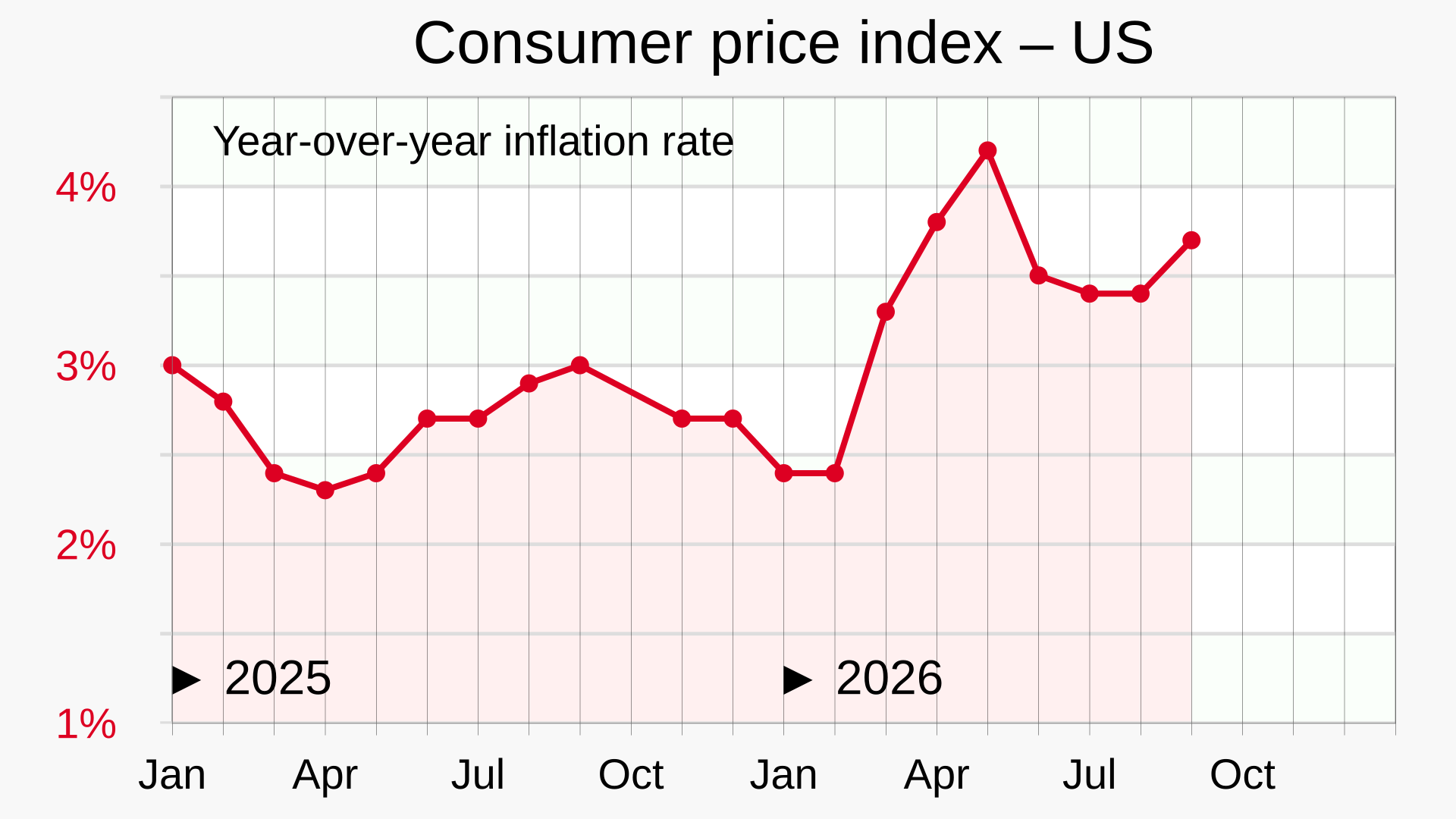
Economists and reporters typically use a set of standard measurements to reach that judgment: overall economic output, jobs and the unemployment rate, wage growth, consumer spending and retail sales, and inflation as measured by price indexes. Saying the economy is “doing well” usually means several of those measures are moving in broadly favorable directions at the same time—for example, sustained job growth coupled with rising incomes and consumer spending that outpace severe price pressures.
The NPR summary is useful as a big-picture signal, but it does not, on its own, show which specific releases or time frames drove the assessment. Different indicators can tell different short-term stories, and reporters often synthesize them into a single narrative for readers. That synthesis can be accurate but also gloss over important variation among measures or regions.
Why voters’ pocketbook concerns can diverge from headline data
Local reporting from Northern Public Radio in Wisconsin’s Rock County offers a counterpoint: voters there, across party lines, reported feeling strongly about high prices ahead of the Nov. 3 midterms. This is a common tension in political reporting—national macroeconomic indicators can look healthy while many voters continue to feel financial strain.
Several mechanisms help explain the gap. First, headline statistics summarize averages or totals; they do not evenly distribute outcomes. Regional differences, distribution of wage gains, and varying inflation experiences mean that a national improvement can leave many households no better off. Second, timing matters: measures such as inflation and price levels are experienced daily at the grocery store and pump, and changes in those prices affect voters’ immediate perceptions more strongly than slower-moving measures like GDP growth.
Third, personal circumstances—housing costs, health expenses, childcare, and local labor markets—shape voters’ sense of the economy in ways headline metrics do not capture. The Rock County reporting shows this at the local level: even when national coverage describes the economy as generally solid, voters still name prices as a top concern.
What readers should watch and what the available reporting does not yet show
The two pieces in our source set together illustrate an important point for readers and voters: a national, headline-friendly assessment is not the same thing as universal pocketbook relief. If you want to follow how that difference could affect political messaging and turnout, look for the underlying releases and analyses that reporters synthesize. Those will identify which indicators—employment, wage growth, consumer spending, retail sales, or measures of inflation—moved and over what time frame.
Our available sources do not include the original government releases or detailed polling linking these economic readings to voter turnout nationally, so readers should treat the NPR characterization as a summary and the Rock County reporting as a local snapshot. That means a few practical cautions: do not assume a single indicator proves the whole story; ask whether reported improvements are broad-based or concentrated; and watch for regional and income-group differences that can alter the political impact of economic trends.
In the days before the election, the clearest signals to follow are those primary releases and the commentary from nonpartisan economists and analysts who place the numbers in context. Public opinion at the local level, as the Wisconsin coverage shows, often tracks with immediate cost pressures more than with abstract national trends, and campaigns respond to that reality in their ground-level messaging.
Bottom line for voters and readers
National reporting that “the economy is doing well” can be a defensible summary of multiple positive indicators, but it is not a synonym for universal improvement. The Northern Public Radio piece from Rock County reminds readers that voters’ lived experiences—especially concerns about prices—can diverge from headline metrics and matter politically.
For readers trying to make sense of competing narratives before the midterms: treat the national assessment as a prompt to check specific releases and look for coverage that names the exact indicators and time windows. Treat local reporting of pocketbook concerns as a valid test of how those economic conditions feel on the ground.
Freedom News will continue to follow primary data releases and reporting that links those measurements to voter behavior so readers can see both the numbers and the neighborhoods where they matter most.