What the recent coverage says
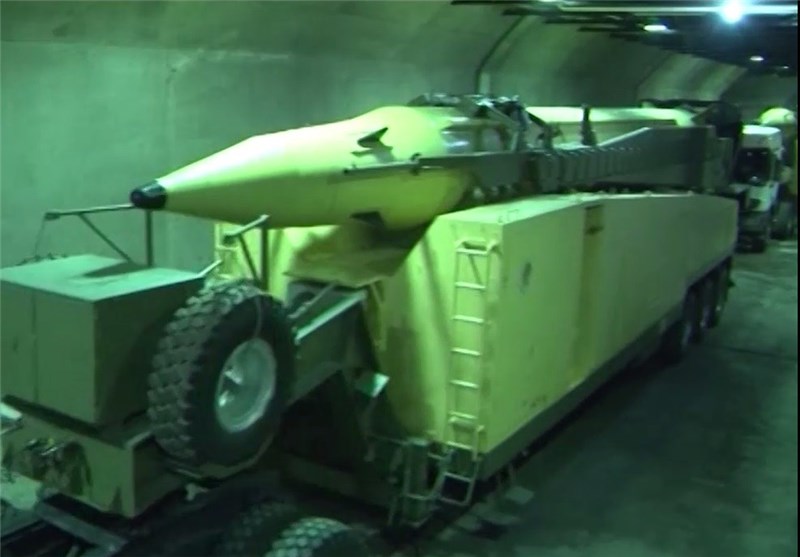
An exclusive report in the Wall Street Journal published Sept. 10, 2026, says Iran has returned to producing ballistic missiles. Independent outlets including The Times of Israel, Al Arabiya English and several aggregator sites ran similar accounts that describe production taking place underground and resuming after a prior pause.
Al Arabiya’s coverage framed the activity as manufacturing of new missiles in limited quantities, drawing on existing components rather than a full, large‑scale industrial restart. The Times of Israel and other reports used the phrase “resumed underground production,” signaling that at least some of the activity is happening below ground level, which would complicate outside monitoring.
Those reports arrived against a backdrop of heightened regional violence: multiple outlets, including Reuters, Al Jazeera, PBS, NBC and The Guardian, have documented recent exchanges of strikes and attempted attacks at sea and ashore between U.S. forces and Iranian‑linked vessels and assets. The timing of the missile‑production reporting appears linked by several outlets to that broader escalation, but the available summaries do not present a public, primary record tying production decisions to any single incident or policy change.
What is — and is not — publicly documented
Across the reporting reviewed, the core claim is consistent: Iranian missile production has restarted in some form and at underground sites. Beyond that headline, the public record assembled in these pieces is thin in material ways. None of the source summaries reviewed for this article include commercial satellite imagery, photographs of production lines, procurement or export records, customs manifests, or a public statement from Iran’s defense ministry that would directly prove resumed manufacturing.
Al Arabiya’s line that production is coming from existing components is important because it suggests a different technical profile than a zero‑to‑full‑scale industrial restart: using stocked parts, refurbished airframes, or modular subcomponents can enable limited output without rebuilding a large production base. Still, that characterization is an attribution within reporting, not a documentary record available for independent review here.
The WSJ label of “exclusive” indicates the paper reported the claim first, and other outlets followed. But by Freedom News’ editorial standards, a claim of resumed missile manufacture at underground facilities is a consequential national‑security development that ideally rests on primary evidence — for example, high‑resolution satellite imagery showing factory activity or new shipments, leaked or released procurement records, on‑the‑ground photographs, or public statements from an authoritative government source — none of which are present in the source summaries available for this piece.
Key unknowns and what would count as confirmation
Several core details remain unresolved in public reporting and therefore shape how readers and policymakers should interpret the development:
• Missile types: The strategic impact varies dramatically depending on whether the systems are short‑range battlefield rockets, medium‑range ballistic missiles, or longer‑range systems. The reviewed sources do not specify types in a way this article can independently verify.
• Production rate and scale: Reported language such as “limited quantities” suggests modest near‑term output, but specific unit counts or a production tempo are not publicly documented in the summaries available.
• New manufacture vs. refurbishment: Al Arabiya’s reporting that Iran is assembling missiles from existing components implies partial reuse or refurbishment rather than a green‑field ramp‑up. Distinguishing those options matters for how quickly stockpiles can grow and how detectable activity will be.
• Location and timeline: The reports identify underground facilities in general terms but do not supply precise locations, start dates, or an authoritative timeline of when production resumed.
Strong public confirmation would include high‑resolution commercial satellite images showing changes consistent with active production (new shelter construction, vehicle logistics patterns, heat signatures), procurement or customs documents indicating shipments of propellants, guidance systems or specialized metals, a direct admission or claim of production from an Iranian official channel, or corroborating statements from U.S. or allied intelligence officials publicly describing the evidence base.
Why it matters and what to watch next
If Iran has resumed making ballistic missiles — especially underground and from stocked components — the consequences are operational and diplomatic. Underground production is intrinsically harder for outside monitors to watch and harder to disrupt without overt military action, raising the risk calculus for regional states and the U.S.
The immediate regional context matters. Several outlets document recent naval exchanges and strikes on tankers and other maritime targets; heightened hostilities can accelerate decisions by states to replenish or expand munitions production. Even limited‑rate production can change deterrence calculations if it replenishes stocks used in recent operations.
For readers and analysts looking for confirmation, the most useful near‑term signals will be: (1) satellite imagery releases from commercial providers showing sustained production activity at known missile sites, (2) transparent statements from U.S. or allied defense officials that declassify or summarize the underlying evidence, and (3) any Iranian state media or ministry traffic that tacitly or openly acknowledges renewed manufacturing. Procurement traces — shipping of specialized components or new procurement contracts — would also be significant.
Absent that evidence, the most responsible interpretation is cautious: multiple reputable outlets report a restart of production, and some accounts describe it as underground and limited, but the public, primary proof required to quantify the scope, timelines and specific systems is not present in the reporting reviewed here.
Bottom line
Current reporting by the Wall Street Journal and multiple follow‑on outlets presents a credible, newsworthy claim that Iran has restarted ballistic‑missile production in underground facilities and may be assembling systems from existing components. The claim is consequential and fits a pattern of recent regional escalation, but key technical and numerical details are not publicly documented in the coverage available to Freedom News.
We will watch for commercial satellite imagery, official statements from U.S., allied or Iranian authorities, and procurement or logistical records that can independently confirm the scale, type and timeline of production. Until that primary evidence appears, any analysis of operational impact must treat the restart as an important but partially verified development.
Sources reviewed
- WSJ: Exclusive | Iran Is Producing Ballistic Missiles Again
- The Times of Israel: Iran has resumed underground production of ballistic missiles – report
- Reuters: Iran and US hit tankers in biggest wave of attacks on shipping since war began
- Al Arabiya English: Iran is producing new missiles in limited quantities from existing components: Report
- Al Jazeera: US strikes five Iranian oil tankers, as Iran attacks 10 ships, Jordan base
- PBS: U.S. strikes Iranian tankers after more attempted missile attacks on Navy warship
- NBC News: Iran attacks American warships and base after U.S. sinks five Iranian tankers
- The Guardian: US says Iranian tankers ‘destroyed’ after missile attacks on American warship
- Marine News Magazine: Iran Strikes Back After US Military Destroys Five Oil Tankers
- Devdiscourse: Iran Resumes Production of Ballistic Missiles Underground