What negotiators are discussing
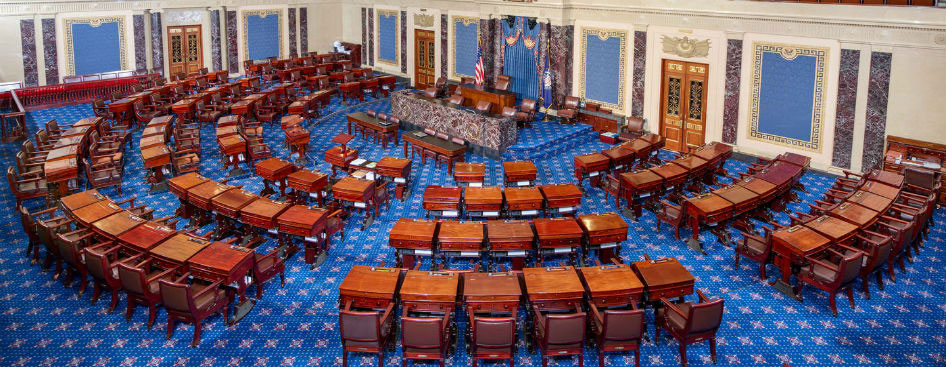
U.S. Senate negotiators are reported to be considering legislation that would require artificial intelligence companies to mitigate what multiple outlets describe as "known major risks." Reuters and other news services reported the talks on Sept. 11, describing an ongoing negotiation over new legal duties for AI developers.
Coverage from sources across the U.S. and abroad frames the discussion around risks that some outlets characterize as catastrophic or "frontier" risks — the kind of harms tied to the most capable future AI systems rather than everyday software bugs. The reporting does not include the text of a draft bill or a publicly released proposal, and the identities of the specific senators or negotiators involved are not named in the summaries available to this newsroom.
Proposals reported so far: legal duties and blocking power
Several outlets describe two recurring themes in the coverage. First, some reporting says negotiators are exploring language that would convert voluntarily stated safety commitments by frontier‑AI developers into enforceable legal duties. Cryptopolitan summarized the reported idea as making frontier‑AI safety a legal obligation rather than a voluntary pledge.
Second, finance.biggo and the Seoul Economic Daily report that the draft concepts under discussion could give federal authorities the power to block or halt the release of models judged to be risky. Other outlets summarized the same potential outcome as legislation that could pause or prevent releases of AI models viewed as posing catastrophic threats.
Taken together, the available reporting indicates negotiators are weighing a mix of mandate‑style approaches (legal duties) and enforcement mechanisms (government authority to stop releases). The precise requirements companies might face — for example, mandatory risk assessments, reporting to an agency, specified mitigation standards, or defined penalties for noncompliance — were not described in the source summaries reviewed for this article.
Why this would matter to industry and national safety
If enacted, a law that turns safety pledges into statutory duties could change how AI firms prioritize development, documentation, and oversight. Legal duties create potential civil and regulatory exposure if companies fail to meet defined standards, while federal authority to block releases would create a direct lever to prevent deployment of models judged dangerous.
The press coverage frames the debate around so‑called frontier models — the most capable systems whose failure modes or misuse could, according to some experts outside this set of summaries, present unusually large societal risks. Turning those risk judgments into enforceable rules raises familiar tradeoffs: encouraging safety and oversight on one hand, and the potential for slower deployment, regulatory uncertainty, and disputes over how to define and measure risk on the other.
What the public record does and does not show yet
The reporting from Reuters, UA.NEWS, finance.biggo, the Seoul Economic Daily, Cryptopolitan and other outlets consistently describes negotiators' discussions but does not, in the summaries provided here, contain the underlying draft bill text, specific statutory language, or named lawmakers driving the provisions. That absence limits the ability to assess how narrowly or broadly "known major risks" would be defined, what process agencies would use to judge danger, what deadlines or reporting obligations companies would face, and what remedies or penalties would be available for noncompliance.
Because the draft language and sponsor names are not included in the available summaries, it is not possible at this stage to state whether the legislation would require firms to perform independent impact assessments, submit reports to a federal agency, adopt particular mitigation standards, or face civil or criminal liability. The summaries do not report reactions from major industry groups, civil‑liberties organizations, or federal agencies.
What to watch next
Readers should look for publication of the draft negotiating text or an official bill filing, which would clarify definitions, thresholds, enforcement mechanisms, and the role — if any — of specific agencies. Public statements by negotiators, committee text, or a Congressional bill number would allow independent review of the statutory language and its likely legal consequences.
Also important will be stakeholder responses. Industry groups, research labs, privacy and civil‑liberties organizations, and national security officials are likely to weigh in once text is public. Those reactions will be essential to understanding practical compliance challenges, dispute‑resolution mechanisms, and how the law might affect investment and product timelines.
Sources reviewed
- Reuters: US Senate negotiators consider requiring AI firms to mitigate known major risks
- The Spokesman-Review: U.S. Senate negotiators consider requiring AI firms to mitigate known major risks
- UA.NEWS: US Senate discusses requiring AI companies to mitigate catastrophic risks
- finance.biggo.com: US Senate Weighs Granting Feds Power to Block Risky Frontier AI Releases
- Seoul Economic Daily: U.S. Senate Weighs Power to Block AI Models Over Catastrophic Risks
- Межа. Новини України.: US Senators Negotiate AI Safety Bill That Could Halt Dangerous Models
- The Star: Oracle to spend $700 million more on restructuring costs as it ramps up AI spending
- Cryptopolitan: Senate bill would make frontier-AI safety a legal duty, not a pledge
- mishtalk.com: Doomsday Debate: Is There a 10 percent Chance AI Kill Us All within 10 Years?