What happened
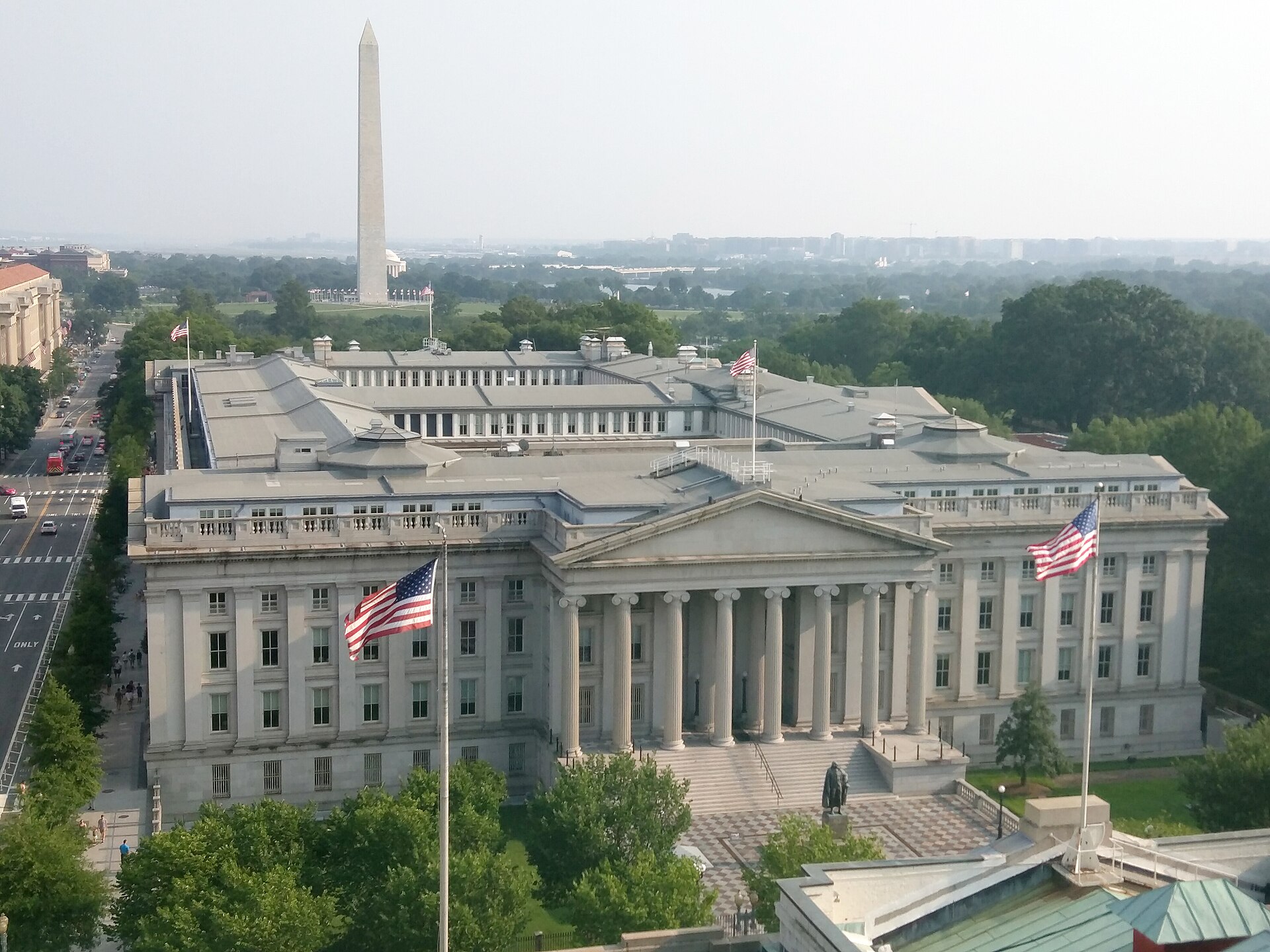
Multiple news outlets report that the U.S. Treasury Department has published a proposed rule intended to tighten limits on U.S. investments into high‑technology sectors in certain foreign countries described as adversaries. Coverage by PBS, Yahoo Finance, AOL, The Hill and local outlets all describe the move as an expansion of outbound investment restrictions aimed at reducing technology flows that could bolster foreign military or strategic programs.
Reporting identifies biotechnology as one of the specific high‑tech sectors Treasury would add to its outbound restrictions, according to Yahoo Finance. Other outlets summarized the proposal as targeting a broader range of sensitive technologies without listing a comprehensive sector-by-sector catalogue in their headlines or summaries.
Geographic scope and immediate reactions
News summaries uniformly describe the rule as focused on countries the United States considers adversaries. Multiple outlets name China explicitly; several report that Russia and North Korea are among the nations covered. The reporting frames the proposal as part of a broader U.S. effort to prevent transfer of advanced capabilities to rival military or industrial programs overseas.
The Hill reports that China reacted publicly to the Treasury proposal by urging the United States to halt the planned restrictions. Other outlets noted the diplomatic pushback in their coverage. The sources in this package do not include any Treasury statement or the full text of the proposed rule, so the available reporting is limited to media summaries of the administration’s move and foreign responses.
What the reporting says about substance — and what remains unclear
According to the accounts collected, the most concrete sectoral detail available in these summaries is the inclusion of biotechnology on the list of technologies subject to outbound investment controls. News outlets describe the overall effort as a 'crackdown' or 'curb' on high‑tech investment, which generally signals more stringent screening or potential prohibitions on capital flows into targeted technology areas in specific countries.
Crucially, the sources provided here do not include the Treasury Department’s Federal Register notice, a Treasury press release, or the administration’s fact sheet. Those primary documents typically spell out the legal authority cited, the precise list of covered technologies, any monetary or ownership thresholds for covered transactions, carveouts or exemptions, the effective dates, and the public‑comment period. Because those primary records are not in the source set supplied for this piece, the exact thresholds, timelines, statutory citations, and implementing mechanisms cannot be confirmed in this article.
Why this matters — practical consequences to watch
If implemented in the form reported, the proposal would change investment decisions for U.S. venture capital funds, institutional investors, and corporate acquisitors that have exposure to early‑stage companies, research collaborations, or joint ventures involving the listed technologies and the named countries. Adding biotechnology to outbound restrictions could affect where U.S. life‑sciences firms and investors deploy capital, and could reshape cross‑border collaborations in therapeutics, tools, and platform technologies.
Beyond investor behavior, the policy has diplomatic and economic implications. Public opposition from China — reported by The Hill — signals friction that could spill into trade, regulatory reciprocity, or broader bilateral ties. The package of reporting here does not include industry statements, legal analyses, or national‑security memos, so assessments of proportionality, compliance burden, or potential for legal challenge are not independently verified in this article.
What readers should watch next
For readers who want the definitive text and mechanics, look for the Treasury Department’s Federal Register notice and any Treasury press release or fact sheet. Those documents normally contain the technical definitions (what counts as a covered 'investment' or 'biotechnology' activity), legal authorities invoked, timelines for implementation, and information about any public comment period or phased compliance deadlines.
Expect follow‑up coverage that parses the published rule for numeric thresholds (for example, ownership stakes or transaction sizes that trigger review), exemptions (such as accredited investor rules or purely portfolio investments), and enforcement mechanisms. Also watch for responses from U.S. industry groups, venture capital associations, and national‑security legal experts; those stakeholders typically file public comments or litigate if they view the rule as overbroad or unclear.
Bottom line
The Treasury proposal reported across several outlets signals a tangible escalation in U.S. efforts to limit technology transfer via cross‑border investment, with biotechnology explicitly named in at least one account. The core policy intent — reducing the risk that advanced U.S. capital and know‑how enable foreign military or strategic capabilities — is clear in the reporting. The specific operational details, legal bases and implementation timeline remain to be confirmed from the Treasury’s own published rule text and accompanying materials.
Sources reviewed
- PBS: Treasury proposes rule to curb high-tech investments in China and other adversaries
- The Hill: China urges US Treasury to stop proposed restrictions on tech investments
- Yahoo Finance: US Treasury Proposes Adding Biotechnology to Outbound Investment Restrictions
- The Killeen Daily Herald: US Treasury proposes a rule to crack down on high-tech investments in China, other adversaries
- AOL.com: Treasury Department proposes curbs on high-tech investments in China, Russia, North Korea