What happened on the tape
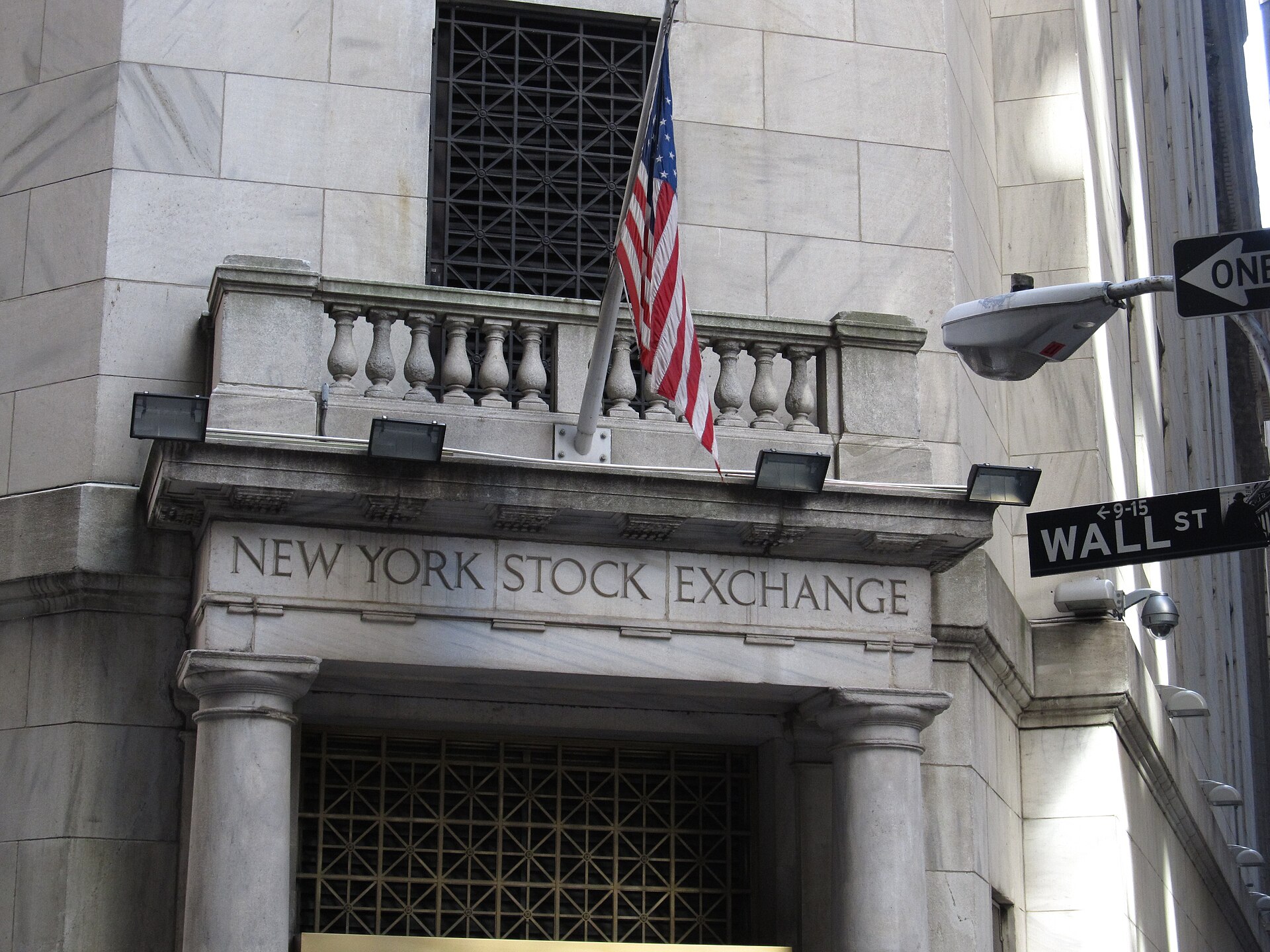
Several market outlets reported a strong immediate reaction in U.S. equity markets after the midterm elections. RealMoney Pro described the Dow recording its best trading day since April 2025 following what it called a “blue wave” outcome, and community commentary collected by Binance Square highlighted the Dow opening higher with a roughly 1.9% gain on that session.
At the same time, other coverage painted a different picture for parts of the global marketplace and for digital assets. CryptoRank ran a headline asking why global markets plunged after the U.S. midterms, underscoring that not every corner of capital markets moved in the same direction during the election aftermath.
Taken together, the contemporaneous reports show a market reaction that was far from uniform: strong leadership among some U.S. large‑caps coexisted with weakness in other sectors and asset classes.
Which sectors and stocks diverged
Big technology names appear to have been among the winners in the immediate post‑election trade. Reporting summarized by Moomoo framed the move as a rally for Big Tech after what it called a Democratic sweep, and raised the question of whether cloud infrastructure companies could gain an edge under the new political configuration.
Contrasting with that strength, RealMoney Pro singled out a group of AI beneficiaries that sank even as the Dow advanced. That combination — a broad index jump alongside losses in a prominent subsector — is a classic example of sector rotation within a single broad market move: headline indices can be lifted by some high‑weight components while other, more narrowly defined groups move lower.
CryptoRank’s coverage emphasizing plunging global markets suggests the weakness was concentrated outside the U.S. large‑cap landscape and was especially pronounced in crypto and other risk‑sensitive corners of global financial markets. Binance’s community snapshot and other commentary captured the retail and sentiment side of the U.S. trade, where optimism toward stocks was visible even as other markets diverged.
Why the reaction can be split — and why that matters
Political outcomes like midterms change the policymaking outlook but do not produce a single, mechanically predictable market move. Different sectors have different sensitivities: defense, infrastructure, healthcare, cloud computing, AI and energy all react to distinct policy signals and to changes in interest rates, regulation and fiscal expectations. The immediate trading response, therefore, often looks like a patchwork rather than a single directional move.
Timing and asset class matter. Equity indexes that are dominated by a few very large companies can rally even while many smaller stocks stumble; conversely, risk assets such as cryptocurrencies or emerging‑market equities can fall for reasons that are only loosely connected to domestic U.S. politics, including global risk sentiment, currency moves or derivative flows. The contemporaneous headlines — U.S. stock gains reported by RealMoney Pro and Binance and plunging global/crypto markets reported by CryptoRank — are consistent with that phenomenon.
For investors, the split reaction matters because it changes where risk and opportunity live. A headline index gain does not mean all stocks are healthy. Likewise, a pronounced move in crypto or overseas markets can introduce volatility into portfolios exposed to those assets even while U.S. large‑cap allocations look steady.
Practical takeaways and what to watch next
Expect continued sector dispersion. The immediate post‑election moves highlight that leadership can rotate quickly. Traders and investors who focus on sector and factor exposure will want to check weightings and recent performance rather than relying on headline index moves alone.
Watch cloud and Big Tech earnings, policy headlines and regulatory signals closely. Moomoo’s coverage raised cloud providers as a potential beneficiary under a Democratic‑leaning outcome; follow concrete developments — guidance, contract wins, regulatory initiatives — to see whether that question translates into sustained profit growth rather than a short‑lived re‑rating.
Monitor crypto and global risk indicators separately from U.S. large caps. CryptoRank’s coverage showing sharp weakness in certain global markets is a reminder that non‑U.S. or non‑equity assets may lead volatility even when domestic big‑cap stocks are rallying. Investors should track liquidity, flows, and cross‑market correlations before treating a single U.S. session as a definitive signal.
Finally, pay attention to claims versus nuance. Multiple outlets reported strong U.S. sessions while others flagged plunges elsewhere; reconciling those accounts means looking beneath headlines at which assets moved, by how much, and why, rather than assuming a single uniform market reaction.
Sources reviewed
- TKer by Sam Ro: 8 Wall Street insights after the midterm elections 🇺🇸
- CryptoRank: Why Did Global Markets Plunge After the US Midterm Elections?
- Moomoo: Big Tech Soars After Democratic Sweep—Could Cloud Giants Gain an Edge?
- RealMoney Pro: Blue Wave Sends the Dow to Its Best Day Since April 2025 as AI Beneficiaries Sink
- Binance: #usstocksopenhigherasdowgains1.9% Community Insights & Market Sentiment | Binance Square