What is happening now
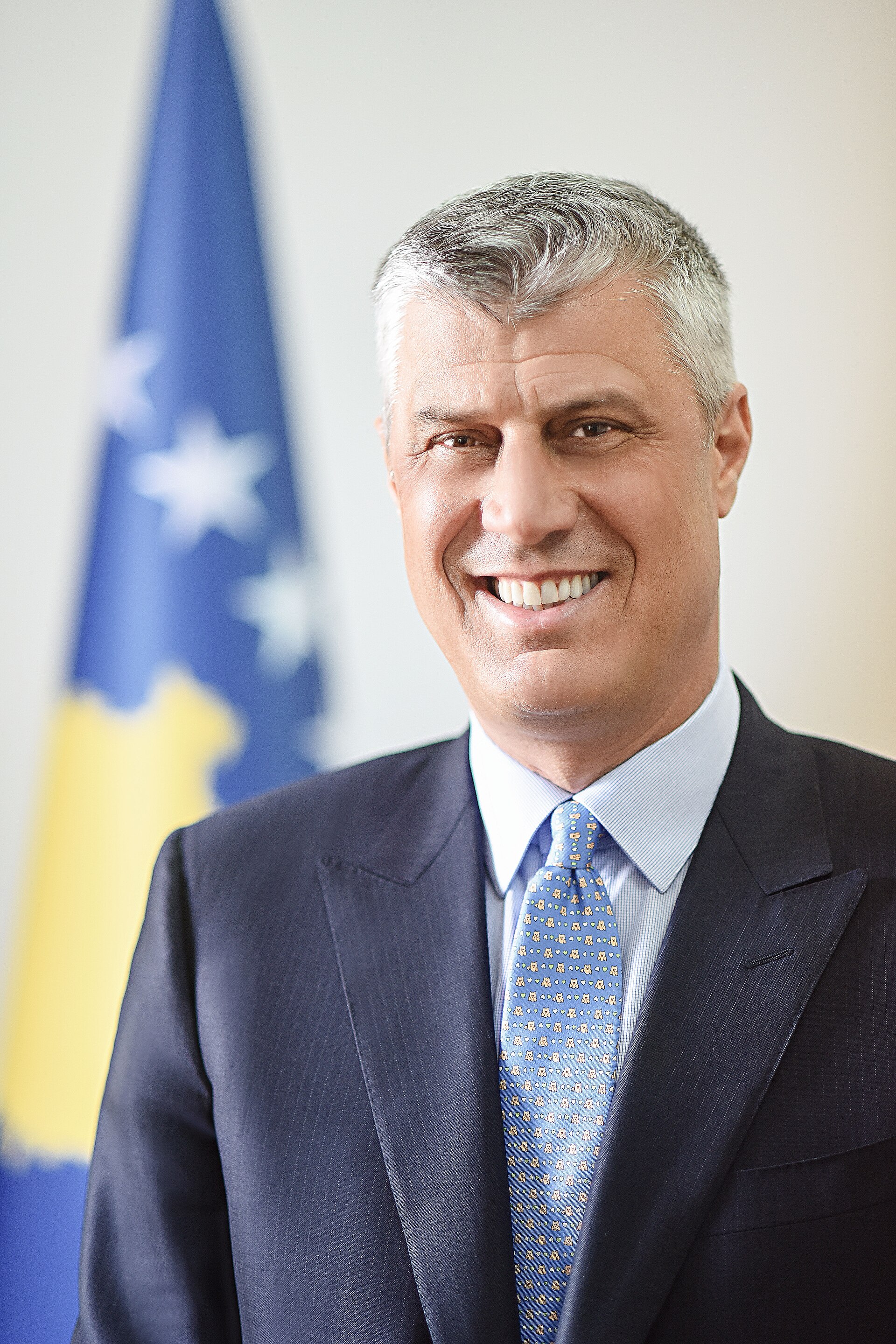
A war‑crimes tribunal will announce its verdict in the trial of former Kosovo president Hashim Thaçi, Reuters reported on Monday. The decision comes after the case reached the stage of final deliberation and media coverage in multiple outlets in the days leading up to the announcement.
Reports from international and local media show the pending ruling has already provoked large public demonstrations. AFP and ABC News reported thousands of people rallying in Kosovo in recent days in visible support of Thaci, underscoring how a legal outcome will have immediate political resonance at home.
Local reporting also recorded political statements framed as popular judgment: a Kosovo political figure told local media that Thaci and several co‑accused had already received the 'verdict of the people', reflecting the emotionally charged atmosphere surrounding the court's decision.
Who Hashim Thaçi is and what he has faced in court
Freedom News reviewed summary reporting that compiles Thaci's public biography and the charges he has faced. Those summaries note his prominence as a former guerrilla commander turned politician who later served as Kosovo's president. International reporting has framed the case as a war‑crimes prosecution tied to actions dating from the Kosovo conflict period.
Different outlets that have been following the proceedings have also highlighted that the legal record around Thaci is complex. Balkan Insight reported separately on a related obstruction‑of‑justice matter in which Thaci's defence had argued for acquittal; that report described obstruct‑tion allegations as part of the broader set of legal disputes connected to the overall prosecution effort.
Because the formal verdict text has not been published in the reporting reviewed here, the precise statutory counts, factual findings or any sentence that might follow remain to be seen when the tribunal issues its written decision or oral announcement.
How the courtroom process and immediate aftermath are likely to unfold
The tribunal's announcement will resolve whether the court finds Thaci guilty or not guilty on the charges brought before it. International and specialist tribunals generally provide a written judgment that explains the factual findings and legal reasoning; those documents also typically explain whether a conviction carries a custodial sentence and, if so, how that sentence will be imposed.
Reporting to date does not include the tribunal's written decision, so readers should expect the first clear details to appear when the court releases its judgment or a public statement. Following that formal verdict, standard procedure in most international and hybrid criminal courts allows for an appeal by the convicted party; the exact timing and grounds for an appeal are governed by the tribunal's procedural rules and will be specified in the court's documentation.
Observers following the case have flagged two practical consequences to watch: whether the outcome deepens domestic political instability in Kosovo given the scale of public demonstrations, and whether co‑defendants or related legal proceedings — such as the obstruction matter covered by Balkan Insight — are affected by the tribunal's findings.
Public reaction and political stakes
Multiple news organizations documented public rallies in the run‑up to the verdict. AFP and ABC News reported thousands gathering in visible support for Thaci and other defendants, demonstrating the strong constituency that remains aligned with the former president. Local reporting captured political rhetoric framing legal judgment as a contest with broader national meaning.
That public mobilization raises immediate questions about security and political stability in the hours and days after the verdict. International and local authorities have in past high‑profile cases monitored assemblies closely; the reporting assembled here does not indicate specific security incidents linked to the recent rallies, but the scale of visible support is a relevant signal for policymakers and civic leaders.
How political leaders, prosecutors and the court itself manage communications and procedural follow‑through will be critical to preventing escalation. Readers should treat social and partisan statements about the verdict as politically motivated until the tribunal's written findings are available for independent review.
What to watch next
The immediate item to monitor is the tribunal's official announcement and — critically — the written judgment that will explain the court's legal reasoning and any factual findings. News reports indicate the verdict will be released; those documents are the primary record for understanding what the court concluded and why.
After publication of the judgment, closely watched next steps will include any sentencing decision if there is a conviction, the filing of notices of appeal, and whether related proceedings (including the obstruction matter reported by Balkan Insight) move in tandem or separately.
Readers should also watch for measured statements from Kosovo's political leadership, international partners, and the court itself. Independent reporting that quotes the written judgment and presents its key passages will be essential for assessing the legal basis of the verdict and the practical consequences for Kosovo's politics.
Sources reviewed
- Reuters: War crimes tribunal to announce verdict in trial of former Kosovo president Thaci
- afp.com: Thousands rally in Kosovo ahead of ex-leader's war crimes verdict
- Breaking News, Latest News and Videos: Kosovo protesters rally in support of ex-president ahead of war crimes trial verdict - ABC News
- Yahoo News Singapore: Factbox-Key facts about Kosovo former guerrilla commander and ex-president Hashim Thaci
- Balkan Insight: Kosovo Ex-President Thaci’s Defence Seeks Acquittal in Obstruction of Justice Trial
- Reporteri: Çitaku: Thaçi, Veseli, Krasniqi e Selimi morën sot verdiktin e popullit