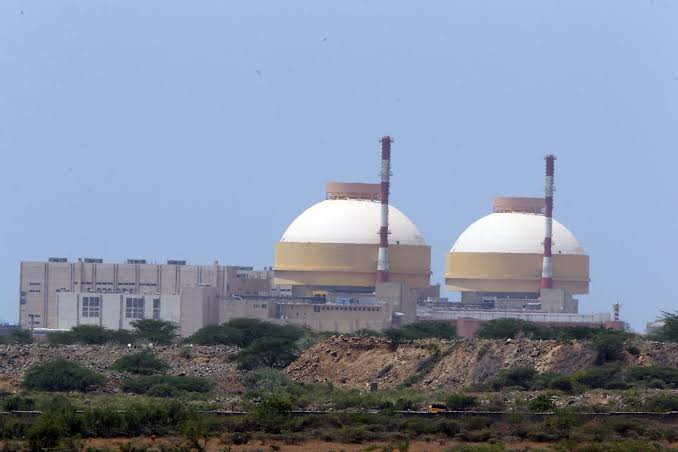
By Steven Tauriello. Reports circulated this week that files connected to Kudankulam, India’s largest nuclear power plant, were exposed online. Reuters published an exclusive saying files “relating to” the plant were exposed; other outlets including The Japan Times and Al Jazeera also reported on the apparent breach.
The official response has been swift but not uniform. India’s nuclear operator and other government sources deny that sensitive nuclear-control data was leaked. The Nuclear Power Corporation of India Ltd. (NPCIL) told outlets — as summarized by teiss and Inshorts — that the leaked material involves “conventional” common-service systems. ThePrint quoted Minister Jitendra Singh saying the breach does not involve a leak of sensitive data.
Why that distinction matters
A single phrase — “conventional” or “common service facilities” — is doing a lot of work in these denials. In brief: not all internal plant documents carry the same operational risk. Plans or code for reactor control, safety systems, security arrangements, or access controls would raise far larger national- and nuclear-security alarms than drawings for cafeteria layouts, HVAC schematics for office buildings, or procurement records for noncritical infrastructure.
The outlets in our sample do not include a public inventory or samples of the leaked files, and officials have not provided a forensic readout confirming what exactly was exposed. That lack of independent verification is why the dispute over sensitivity matters: one side reports exposed files, the other says those files are non-sensitive. We do not yet have primary-file evidence in the public domain to settle which description matches reality.
What to watch next
Journalists and analysts will be looking for three things: a verifiable sample or catalog of the leaked files; an independent technical assessment showing whether any control systems, security plans, or personally identifiable information are present; and an official forensic report that traces how the files left any internal network or storage.
Until that evidence is public, the most reliable claim is this: multiple outlets report that files linked to Kudankulam were exposed, while official statements from NPCIL and government ministers assert the material is limited to conventional service systems and not sensitive nuclear-control data.
Freedom News takeaway
A data exposure at a nuclear site is newsworthy, but the practical implications hinge on the content of the files. Readers should expect a short period of competing claims while reporters seek primary documents and forensic confirmation. If you work at or with critical infrastructure, now is a good moment to audit what documents are externally reachable and insist on documented forensic findings before drawing conclusions.
Sources reviewed
- ThePrint: Breach at Kudankulam nuclear power plant doesn’t involve leak of sensitive data: Jitendra Singh
- Reuters: EXCLUSIVE: Files relating to India’s largest nuclear power plant Kudankulam exposed in data breach
- theweek.in: EXPLAINED | Kudankulam data breach and the security of India’s nuclear infrastructure
- Al Jazeera: Data breach reportedly targets India’s Kudankulam nuclear power plant
- Inshorts: Nuclear body denies data breach after 19,000 files related to Kudankulam plant leaked | Common service facilities conventional in nature | Inshorts
- The Japan Times: Files relating to India’s largest nuclear power plant exposed in data breach
- TradingView: Files relating to India’s largest nuclear power plant Kudankulam exposed in data breach
- teiss: NPCIL denies sensitive data breach at Kudankulam nuclear plant, says leaked files involve only conventional systems