The facts as reported
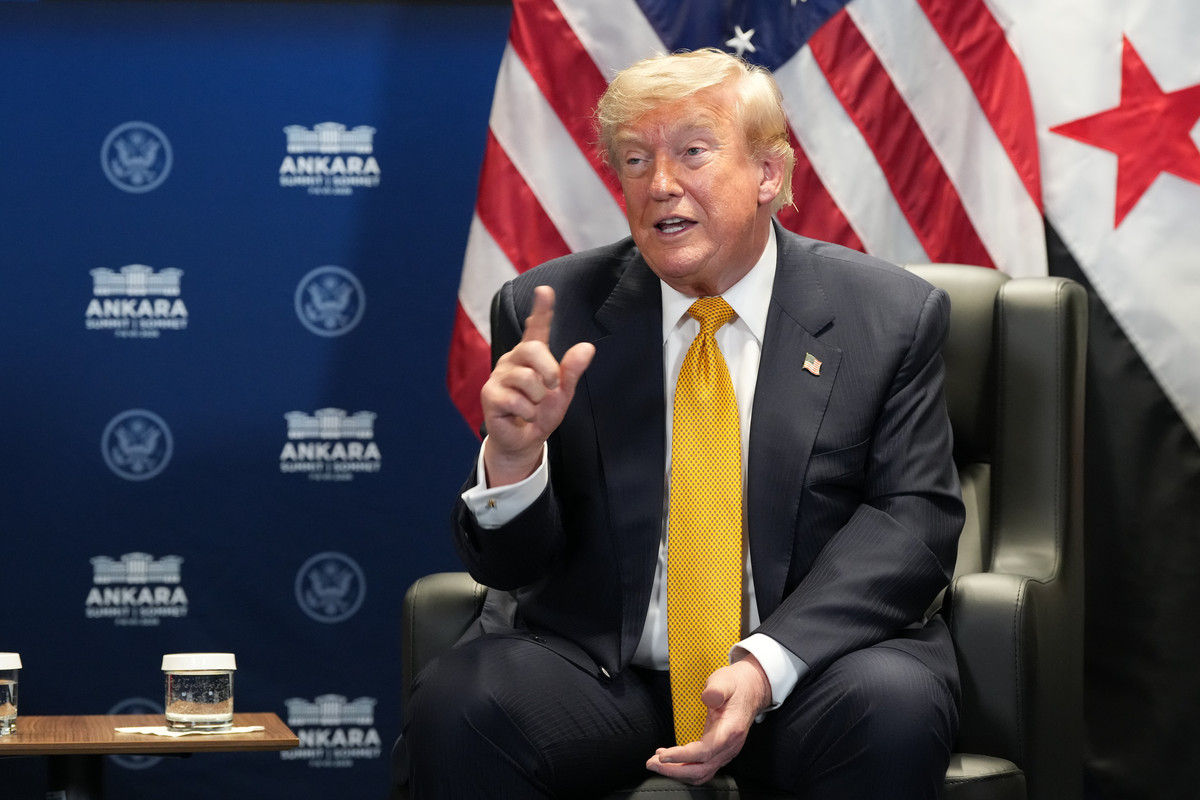
Two lines of reporting this week have refocused a perennial danger in American public life: the blurring of presidential rhetoric, military action and the constitutional role of Congress. Politico reported that the president "notified Congress of new war against Iran" (Politico, July 13). Time Magazine reported that the president planned a primetime address (Time, July 14). In parallel, several Ukrainian outlets reported statements attributed to the president about ending Russia’s war in Ukraine: RBC-Ukraine reported a presidential statement on ending the war, and Українські Національні Новини (UNN) reported that the president "does not rule out" that the war in Ukraine could end by the end of his presidential term (RBC-Ukraine, July 15; UNN, July 15).
What is confirmed and what remains a report
What is confirmed in the public record here is limited to the reporting itself: major outlets say the president has notified Congress, that a primetime speech was scheduled, and that statements about Ukraine were reported by Ukrainian media. None of the supplied summaries include a verbatim White House statement or text of orders to the military. The reports should therefore be treated as that—reports—not as a complete, independently verified timeline of executive action.
Separately, The Washington Post ran a piece reminding readers that the politicization of the U.S. military is not a single-president problem; it is a long-term issue with consequences for civilian control, troop morale and public trust (The Washington Post, July 14). That context matters when presidents speak about war.
Why words from the Oval Office matter more than ever
A president’s statements about war are not just rhetoric. They set expectations for allies and adversaries, shape troop morale and send banks, markets and supply chains scrambling. When the presidency signals intent to enter or expand hostilities—whether against Iran or in the theatres related to Russia and Ukraine—Americans deserve specificity: what authority is the president invoking, what are the objectives, what is the plan for escalation and de-escalation, and how long will the commitments last?
The Constitution assigns Congress the power to declare war and to fund the military. When reports indicate that the president has "notified Congress" of war, reporters and citizens need to know whether that was a formal notification under the War Powers Resolution, a policy briefing, or a different legal step entirely. The mechanics matter because legal frameworks constrain, authorize and ultimately limit executive action.
The danger of spectacle over scrutiny
A primetime address can clarify or it can conflate. Time’s reporting that a primetime speech was expected (Time, July 14) raises a practical question: will the speech be used to explain a legal basis and a strategy, or to rally political support without the necessary detail? The public interest is best served by sober explanation: the rationale for any military step, the legal authority relied upon, and the ways Congress and the American people will be involved.
Press events and dramatic broadcast moments should not substitute for the constitutional deliberation that war requires. The American people deserve both clarity and accountability—neither should be optional.
What Freedom demands now
Freedom thrives when powers are checked, not when they are concentrated. If the reports are accurate, Congress must exercise its constitutional duties: demand the full legal reasoning, seek classified briefings where appropriate, and hold open hearings when the stakes are high. The media must push for documents and unedited transcripts rather than rely on summaries. And the president should recognize that invoking military force without transparent justification corrodes public trust and endangers service members.
Finally, Americans must insist on a sober accounting of costs—human, fiscal and geopolitical. Hopes expressed in foreign media that a war might end within a political term (reported by UNN) cannot substitute for a negotiated, verifiable end to hostilities that respects sovereignty and international law.
Conclusion
The seriousness of war demands more than televised speeches and headlines. The reports in Politico, Time and Ukrainian outlets are alarms to be clarified, not reasons to accept ambiguity. Republican or Democrat, a president who speaks of war must also provide the legal, strategic and moral map to justify it. If those explanations do not appear, Congress, courts and the press must not cede the public’s right to know.
Sources reviewed
- U.S. Department of War (.gov): Presidential Unsealing and Reporting System for UAP Encounters (PURSUE)
- Politico: Trump notifies Congress of new war against Iran
- Breaking News, Latest News and Videos: Lindsey Graham, longtime senator from South Carolina and Trump ally, dies at 71 - ABC News
- Time Magazine: Trump to Give Primetime Speech on Thursday: What to Expect
- Українські Національні Новини (УНН): Trump does not rule out that the war in Ukraine will end by the end of his presidential term
- Офіційне інтернет-представництво Президента України: Statement by the President of Ukraine During a Joint Press Conference with the President of the European Commission
- The Washington Post: The politicization of the U.S. military did not start with Trump
- RBC-Ukraine: Trump makes statement on ending Russia's war against Ukraine