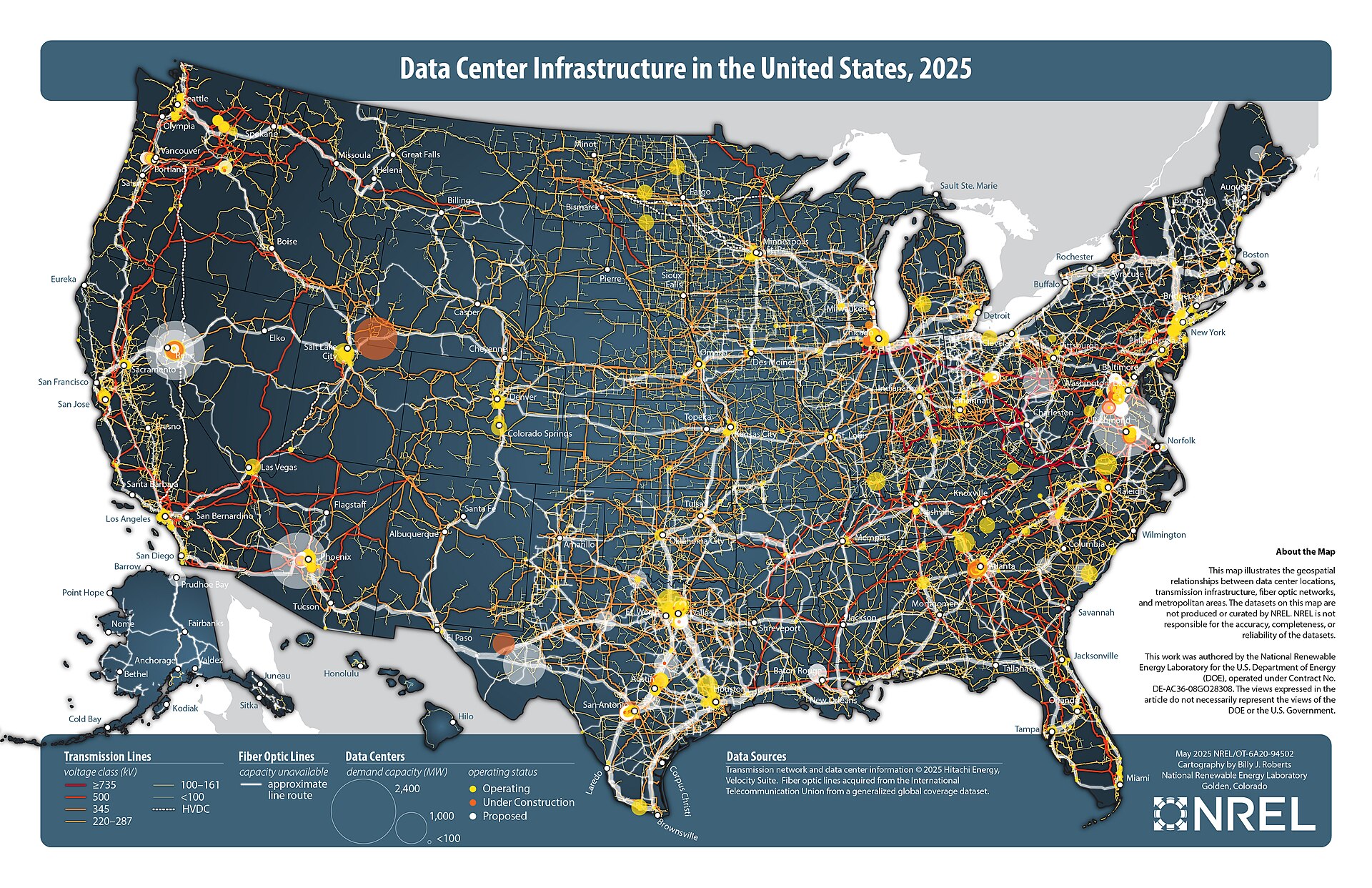
What's the problem?
A new post from the Federation of American Scientists (FAS) has pushed a simple but urgent question into the open: why are agreements tied to data‑center projects being kept out of public view? The FAS post framed the issue as one of transparency for critical infrastructure and public oversight, noting that an increasing number of data‑center arrangements are effectively shielded from routine public scrutiny.
That question comes as multiple news outlets report concrete reactions from the private sector and some state governments. Several publications say that after public outcry in recent days, at least one major AI company said it would stop insisting on nondisclosure agreements for some data‑center discussions. Other outlets report that state-level regulators are moving to force data centers to disclose energy and water use, creating a contrast between secrecy around contract terms and greater demand for environmental reporting.
What the coverage actually found
Reporting across several outlets described a fast‑moving sequence: scrutiny of secrecy prompted corporate pledges to change. Bloomberg and The Verge reported that OpenAI — which had been negotiating with communities and local governments about data‑center projects using confidentiality arrangements in some cases — announced it would alter how it handles those talks after public pushback. Anadolu Ajansı and other outlets likewise covered the pledge that secrecy terms would be wound back.
Technology and policy outlets tracked similar moves, saying OpenAI dropped or reduced the use of NDAs for certain data‑center conversations and published a set of public commitments. Aggregate tech coverage summarized those commitments as a retreat from an earlier posture that emphasized confidentiality during site selection and planning discussions. Major U.S. news outlets also linked the change in company policy to intense public interest and political scrutiny around data‑center siting and community impacts after recent elections and local debates.
State action and the policy context
The response is not limited to corporate statements. At least one state lawmaker has moved to require more transparency about the resource impacts of data centers. A report summarized a new state law that requires data centers to report water and energy use to state authorities, a regulatory step aimed at giving policymakers and communities better data about environmental and infrastructure effects.
That kind of disclosure requirement is a separate track from contract transparency. State rules typically target operational reporting — measurable metrics such as megawatt consumption or gallons of water used — whereas the secrecy concerns flagged by FAS and others center on the terms of agreements, procurement processes, and whether local governments or vendors can conceal material contractual language behind NDAs or confidentiality clauses.
What we still don't know and why that matters
The publicly available coverage establishes a clear pattern of concern and a set of corporate and state responses, but it does not provide a complete inventory of the underlying contracts, clause language, vendor names, or contract numbers. The FAS post raised the question and the media coverage documented corporate pledges and new laws, yet none of the supplied summaries included a searchable list of contracts or agency procurement records.
Because the specific agreements and clauses have not been provided in the reporting set we reviewed, important questions remain open: which agreements across federal, state and local levels use secrecy clauses; whether the nondisclosure terms are legally enforceable against public records requests; what formal procurement authorities or federal agencies, if any, approved or participated in these secret arrangements; and whether other companies besides the ones publicly discussed used the same approach.
How oversight can proceed — and practical next steps to follow
Transparency advocates and journalists typically follow a few concrete paths when contracts or memos are not yet public. Those include filing Freedom of Information Act requests and state public‑records requests for procurement documents, searching local board or county meeting minutes and permitting records for references to confidentiality agreements, and seeking vendor or subcontractor contract numbers through procurement portals. The FAS post and the press coverage make clear why that follow‑up matters: without the underlying records, it is hard to judge whether secrecy served a legitimate commercial or security purpose or whether it limited democratic oversight.
For readers and local officials, the immediate tests to watch are twofold: first, whether corporate pledges (for example, to stop using NDAs in site‑selection talks) apply retroactively to existing contracts or only to future negotiations; and second, whether state and local disclosure laws expand to cover contractual terms as well as operational metrics such as energy and water reporting. News organizations and watchdogs will also be watching for FOIA releases, municipal contract postings, and any formal guidance from procurement offices that clarifies when confidentiality is permitted.
What to watch next
Expect three near‑term developments to determine whether this episode produces durable change: whether companies follow through on public pledges to limit NDAs; whether states adopt broader disclosure requirements beyond environmental metrics; and whether watchdogs or journalists obtain and publish the underlying agreements and procurement records that would make compliance and policy choices fully visible.
The FAS post did the immediate work of surfacing the question; now the follow‑up will be documentary. If FOIA releases or public postings turn up contracts and memoranda, they will offer the concrete record needed to judge the scope of secrecy and whether stronger procurement or transparency rules are required at the state or federal level.
Sources reviewed
- Federation of American Scientists: What's with all the secret data center agreements?
- Bloomberg.com: OpenAI to Change How It Handles Data Center Efforts After Outcry
- Anadolu Ajansı: OpenAI pledges to end data center secrecy agreements amid US public opposition
- News From The States: Data centers must report water, energy use under new law signed by Gov. Sherrill
- The Tech Buzz: OpenAI Drops NDAs for Data Center Talks After Voter Backlash
- shattered.io: OpenAI Drops NDAs on Data Centers: 5 Pledges [2026]
- The Verge: OpenAI is stepping back from NDAs for data center projects
- Broadband Breakfast: Reps. Greg Landsman and Nanette Barragán Join Keynote Lineup with Sen. Ed Markey, Buddy Carter
- Breaking News, Latest News and Videos: OpenAI issues new data center policies after midterm elections - ABC News
- https://tech-insider.org/: AI Data Centers: 5 State Levers and a $17B Bet [2026]